No longer on the market
This property is no longer on the market

 Floorplan
 Map
Map4 bedroom detached house
Sold STC
Detached house
4 beds
2 baths

Key information
Features and description
- Entrance hall
- Dining hall
- Kitchen/dining room
- Utility room
- Shower room
- Sitting room
- Four bedrooms
- Bathroom
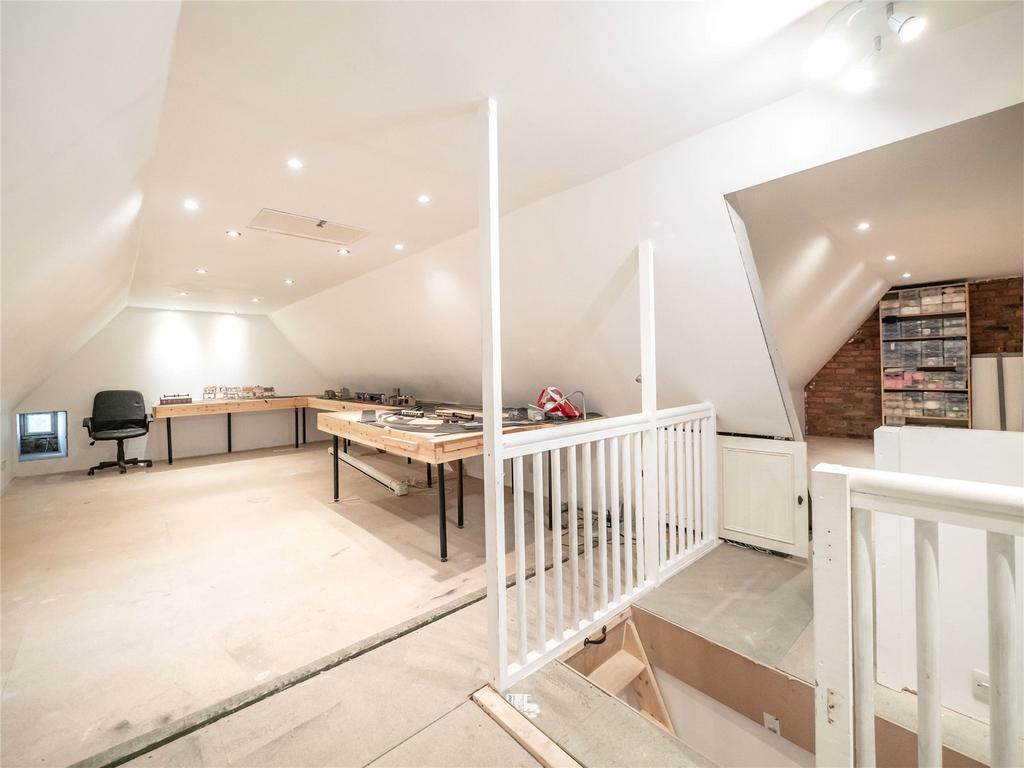
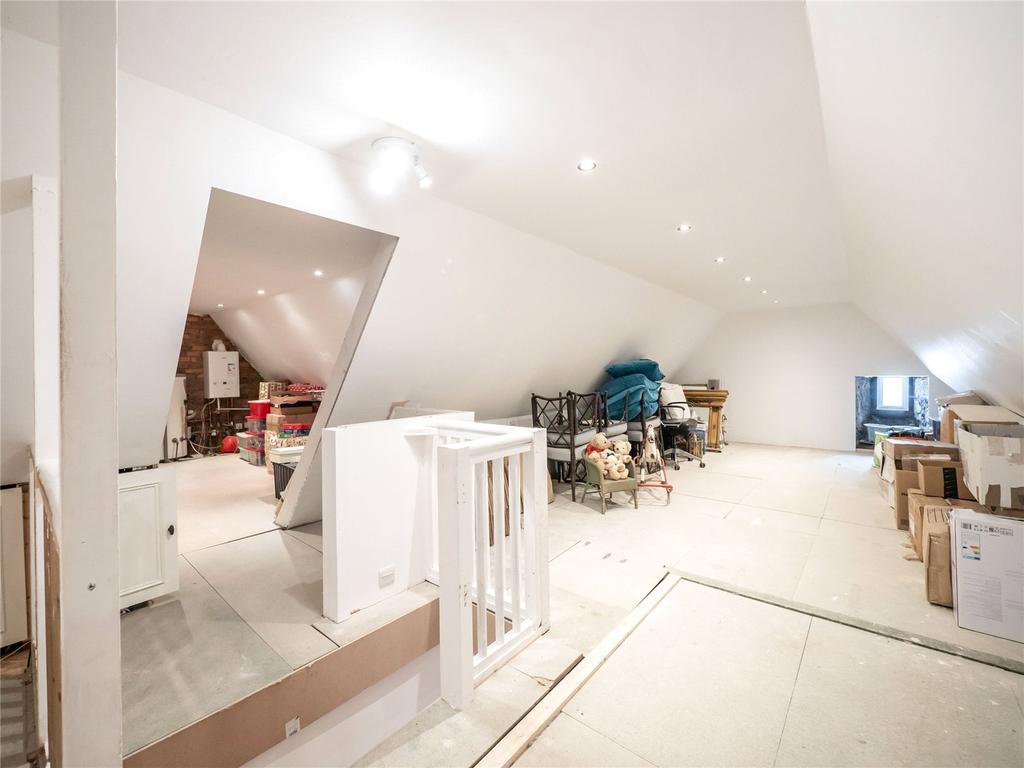
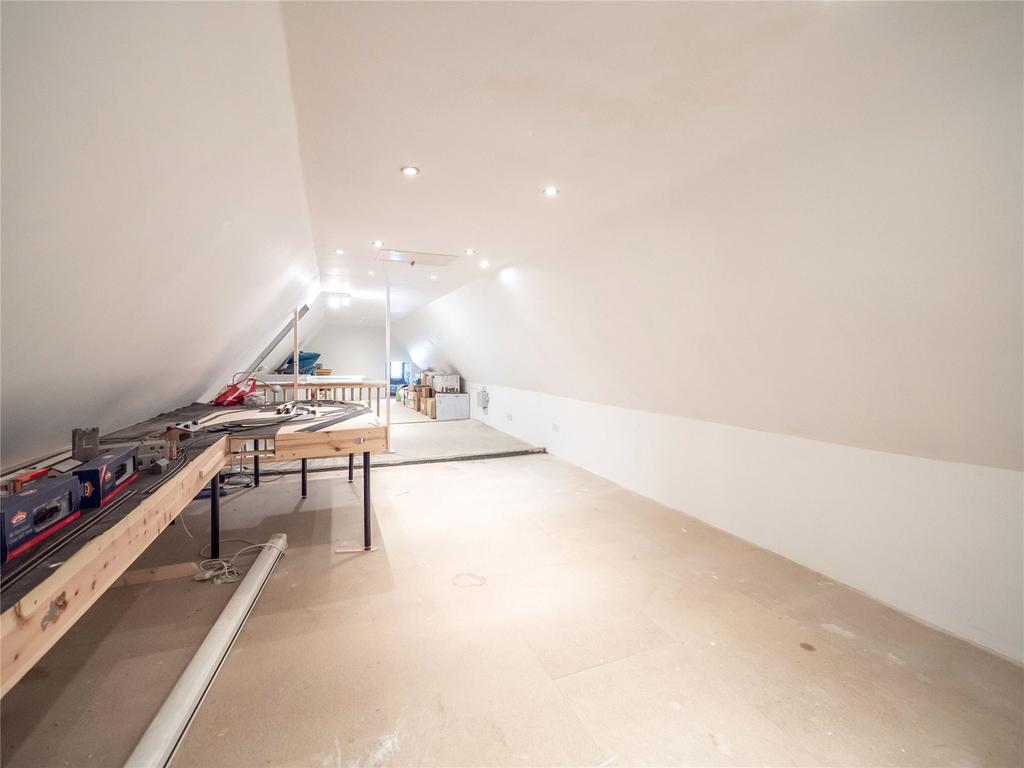
- Floored and lined attic
- Garage with power
*CLOSING DATE SET - TUESDAY 12TH JULY AT 12PM*
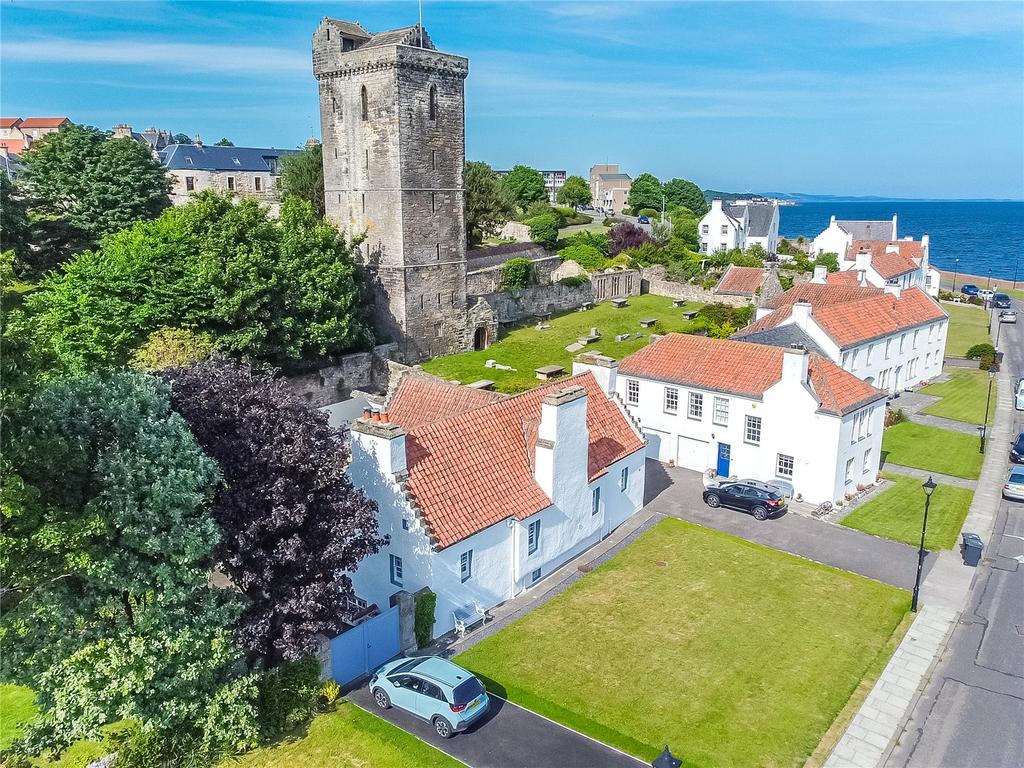
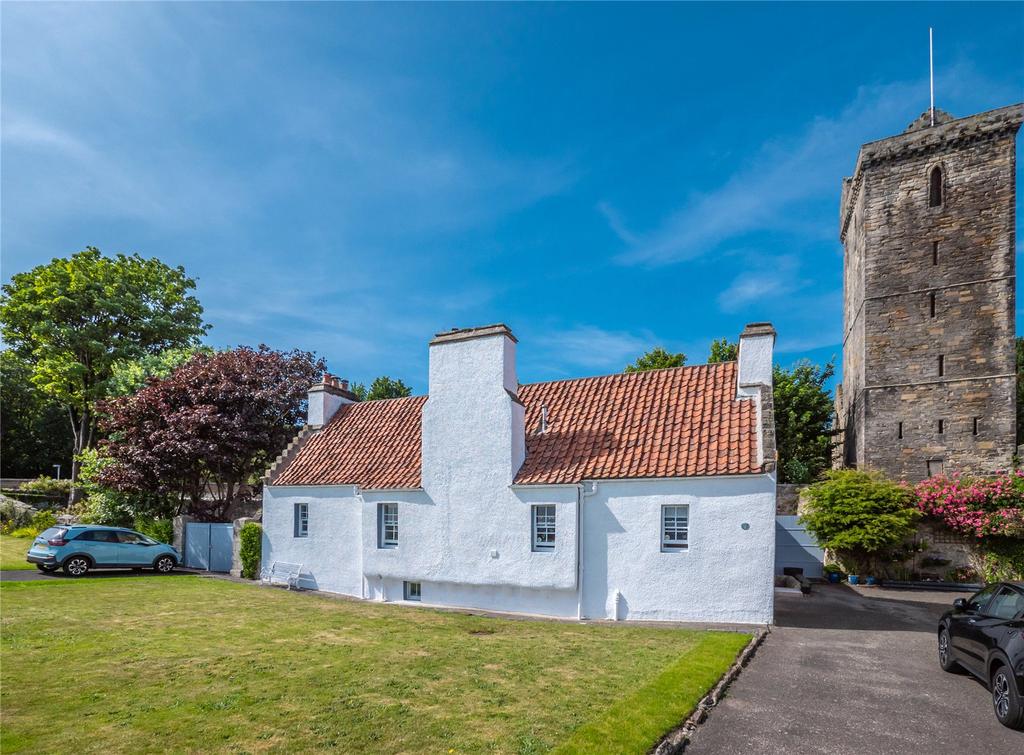
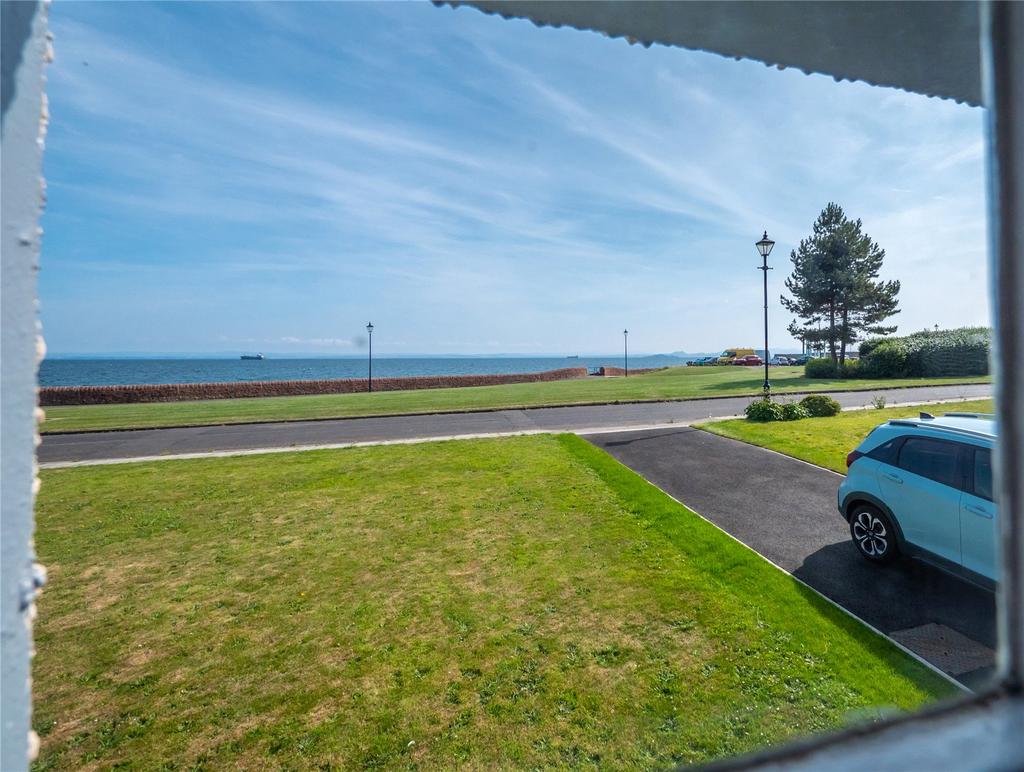
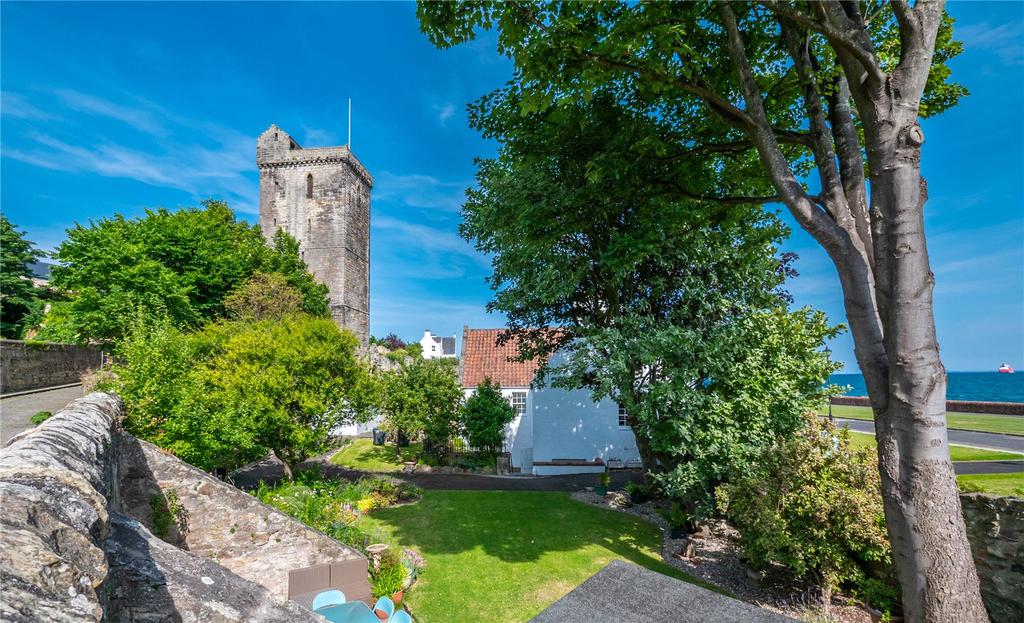
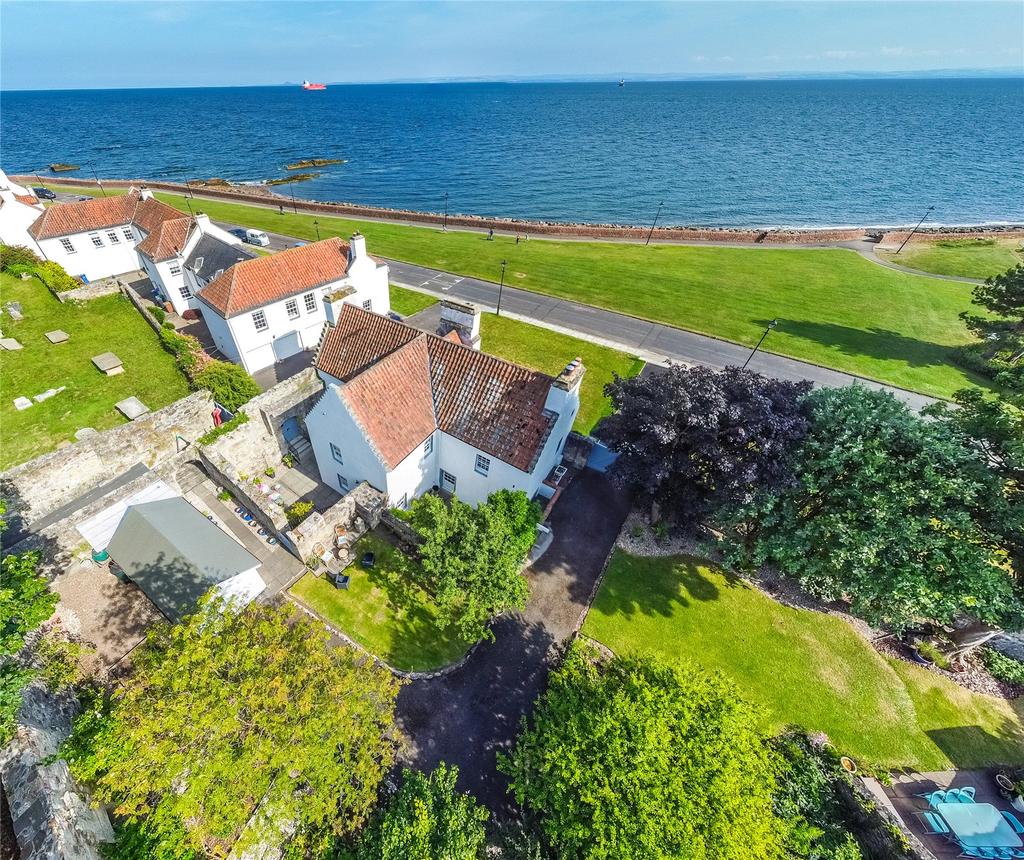
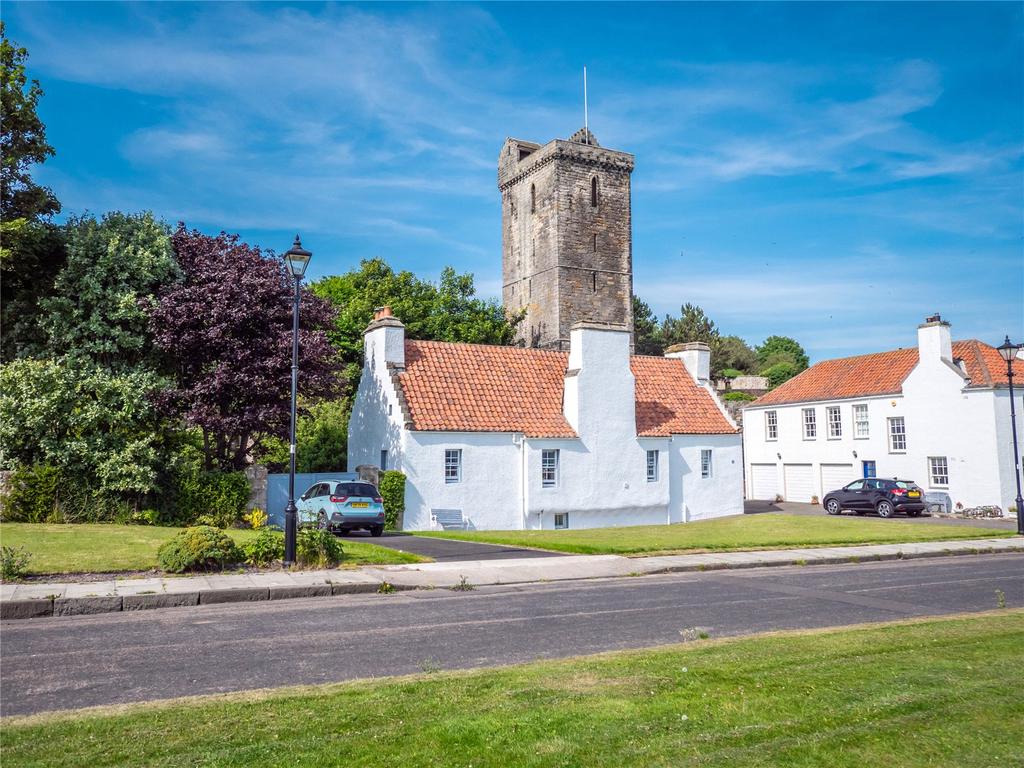
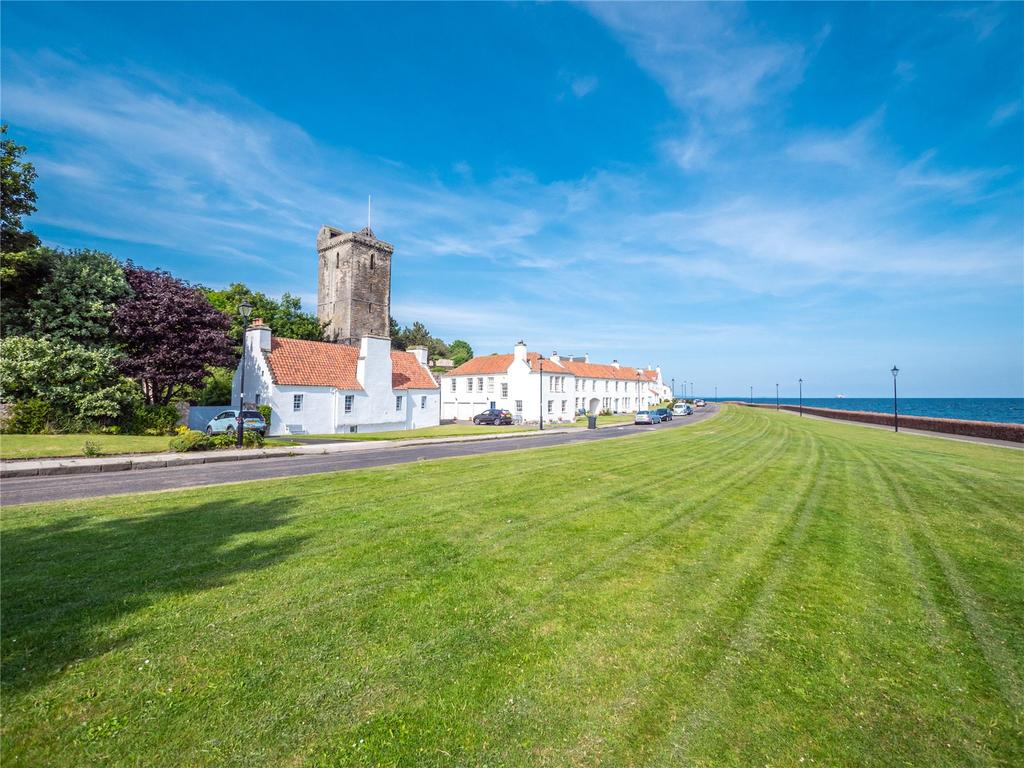
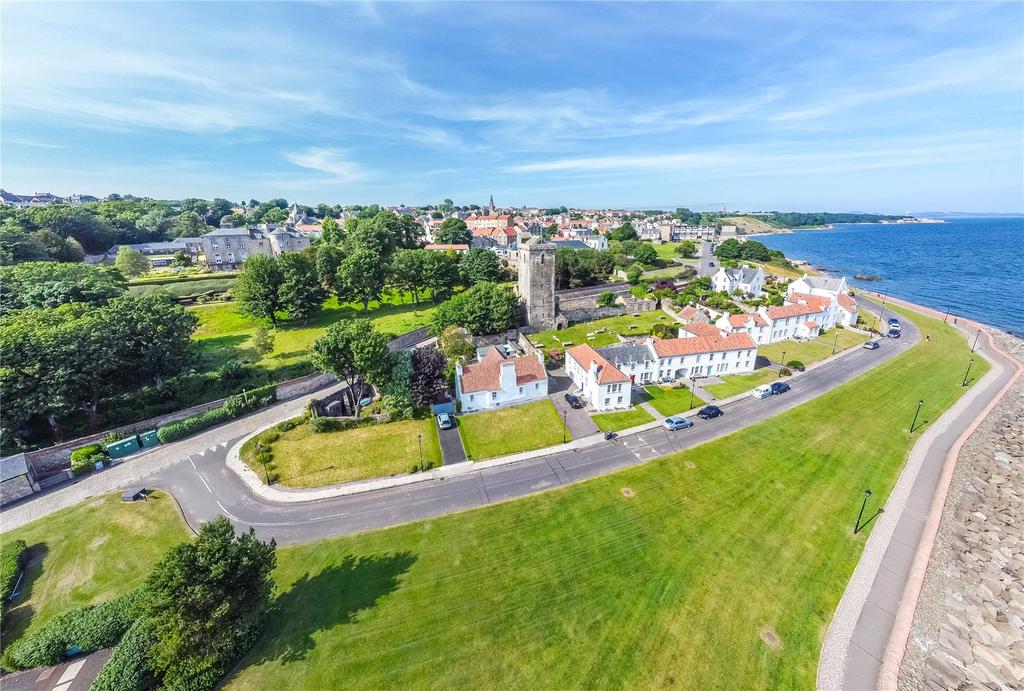
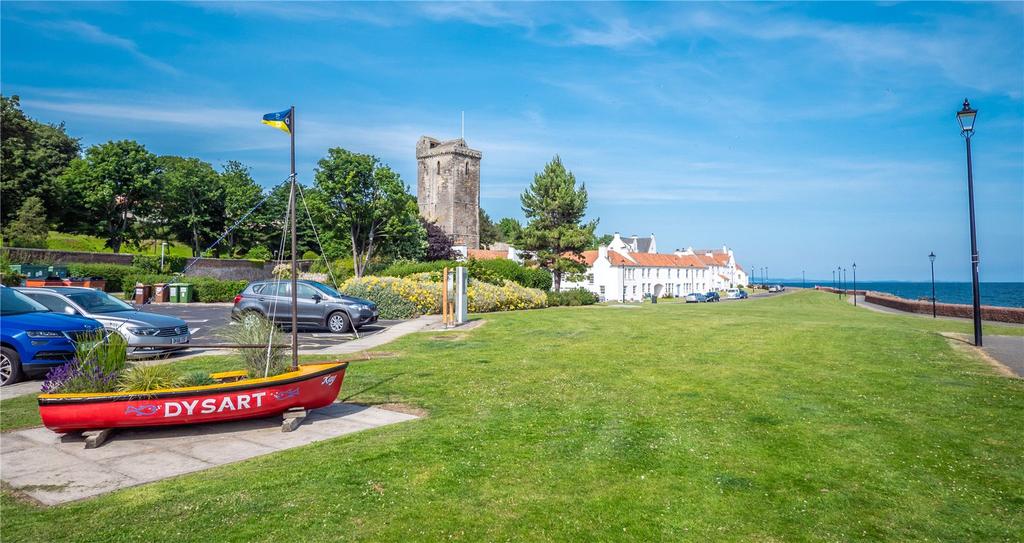
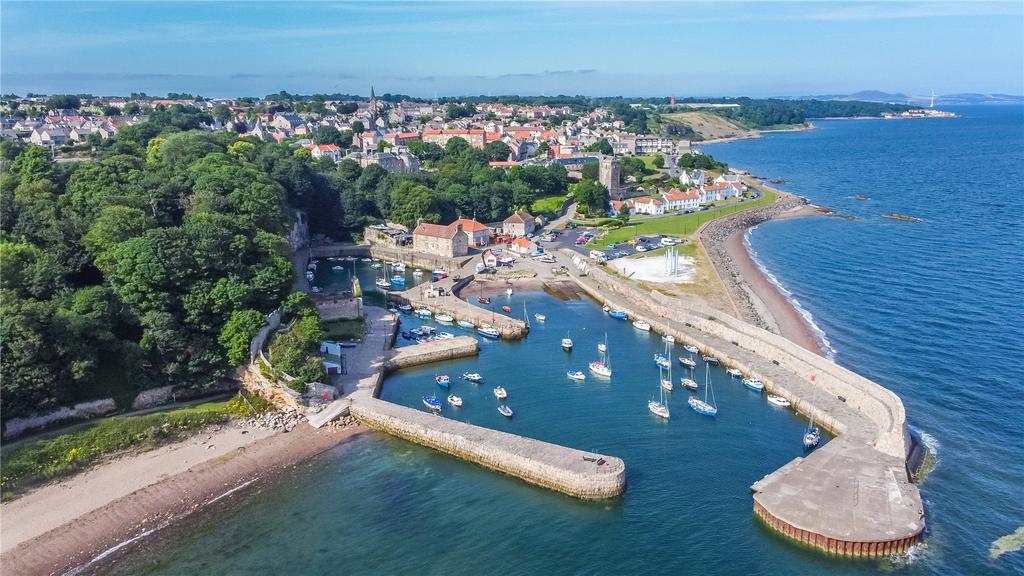
Presented to the market in immaculate condition this is a rare opportunity to purchase an A Listed 16th Century Laird's house on the picturesque Fife coast with stuning sea views and child safe walled garden.
Location & History
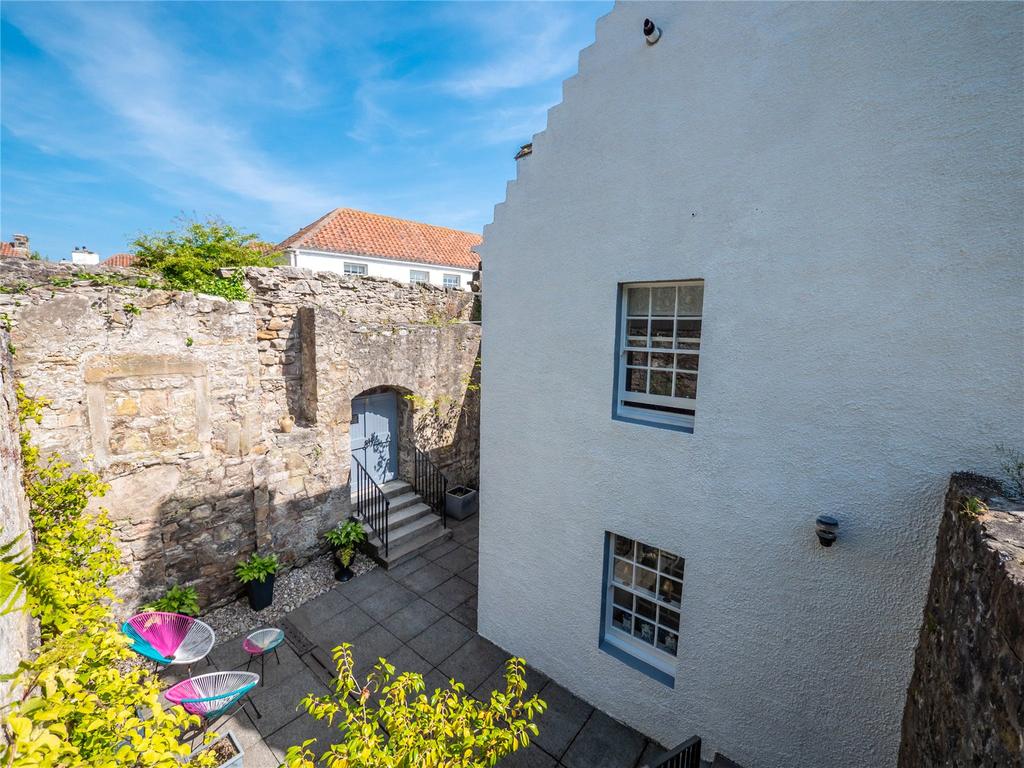
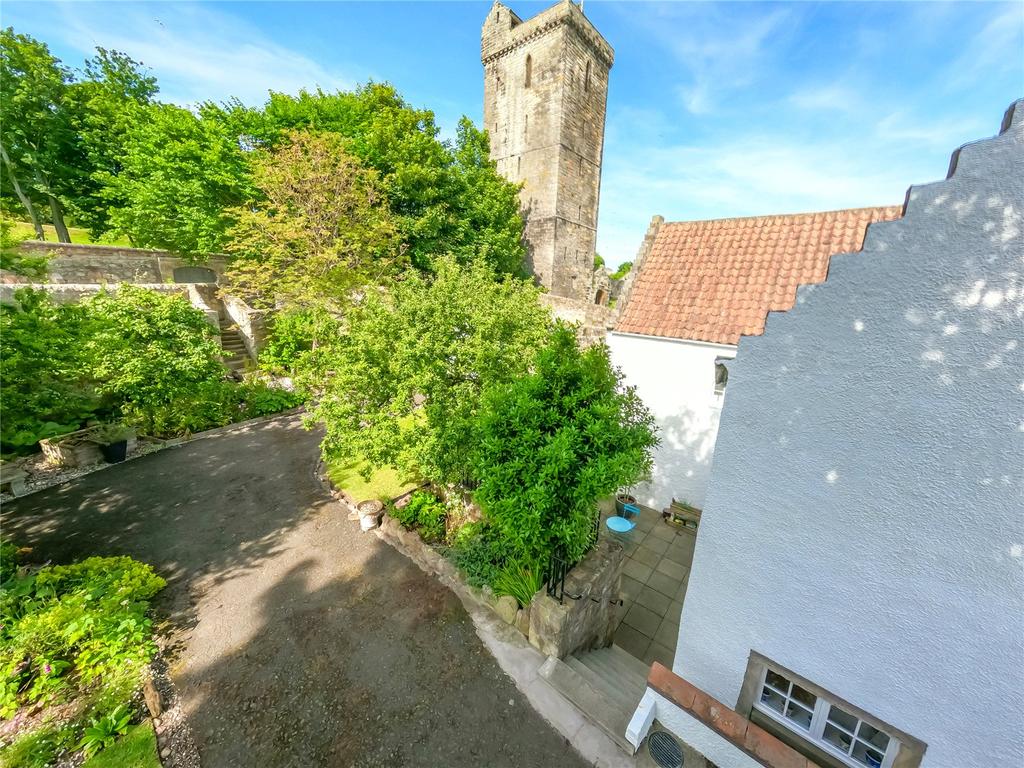
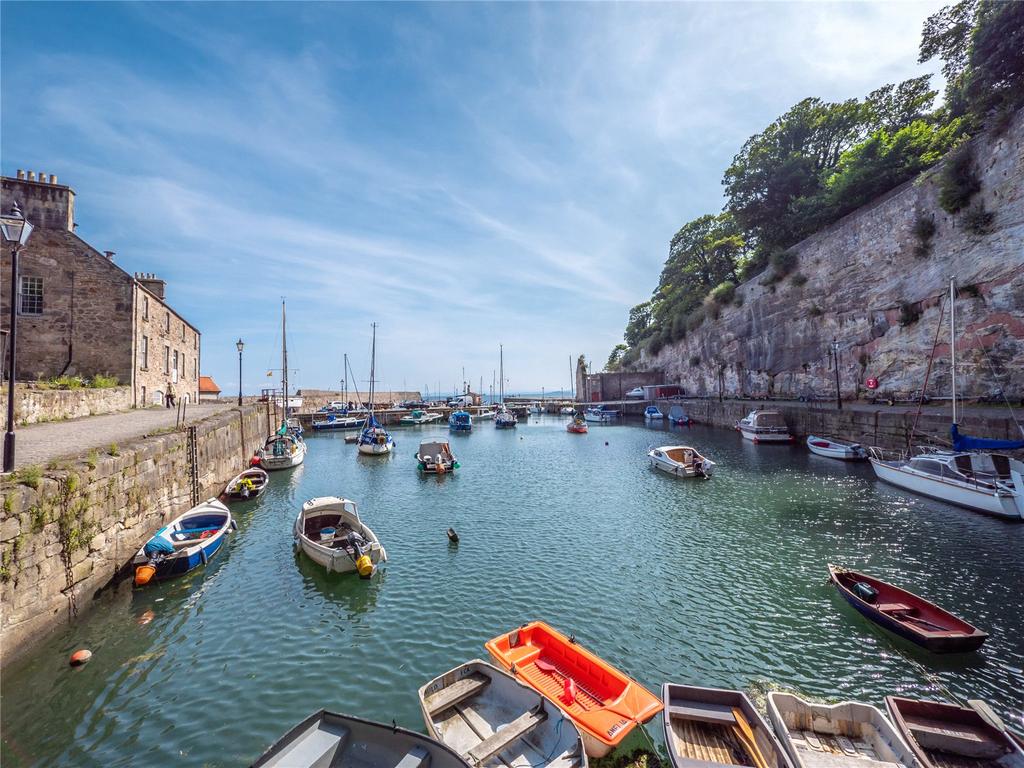
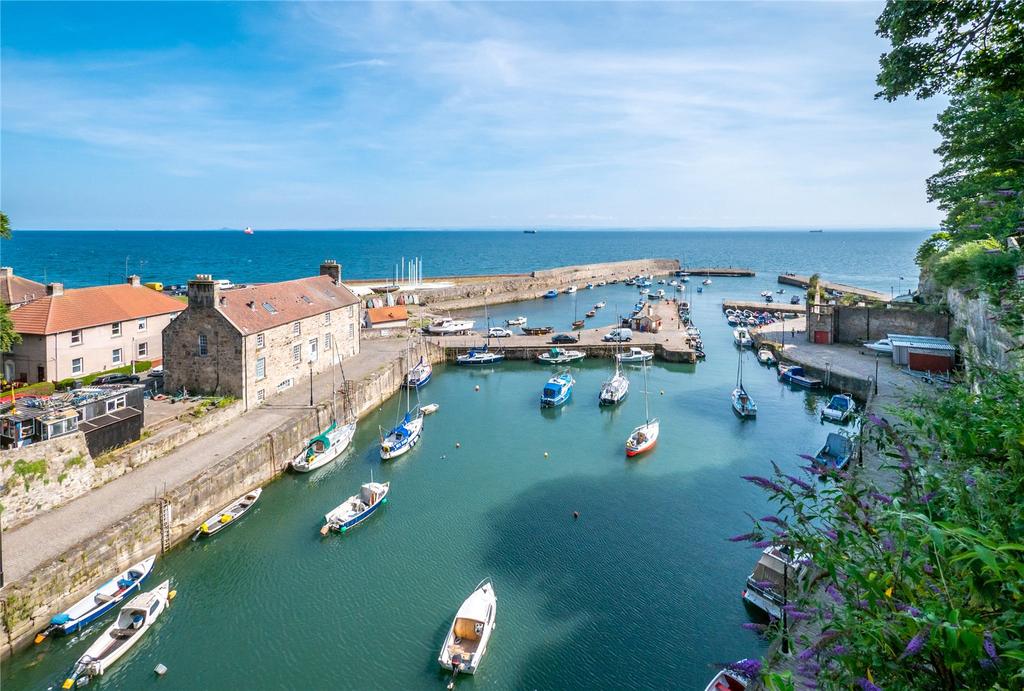
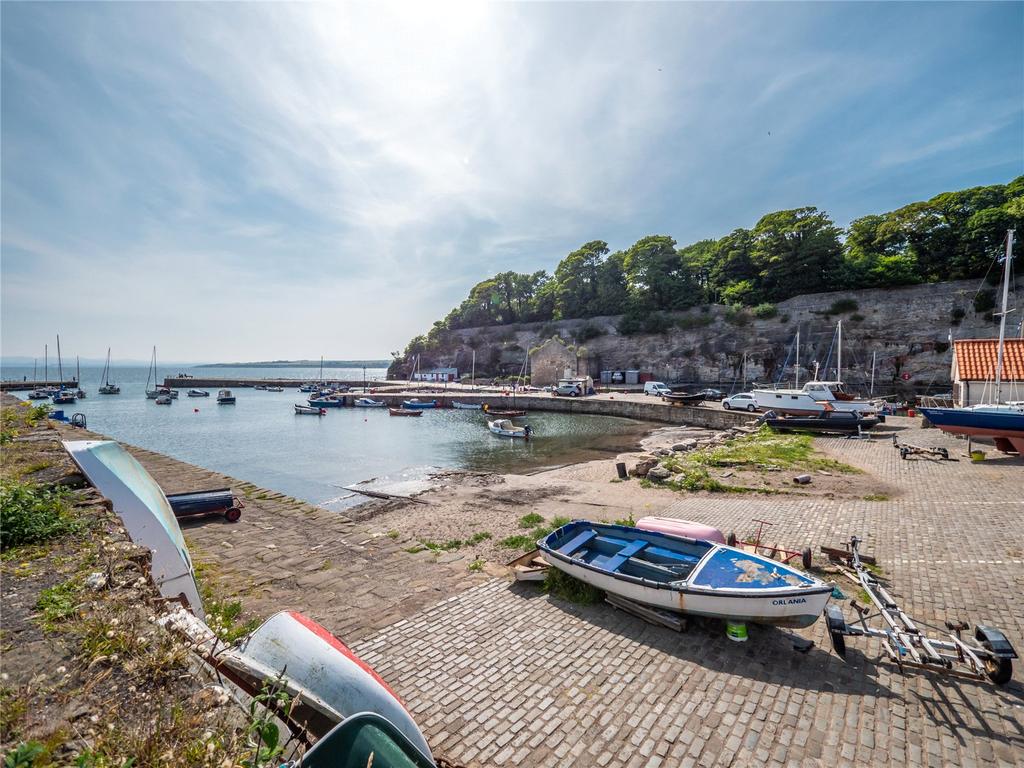
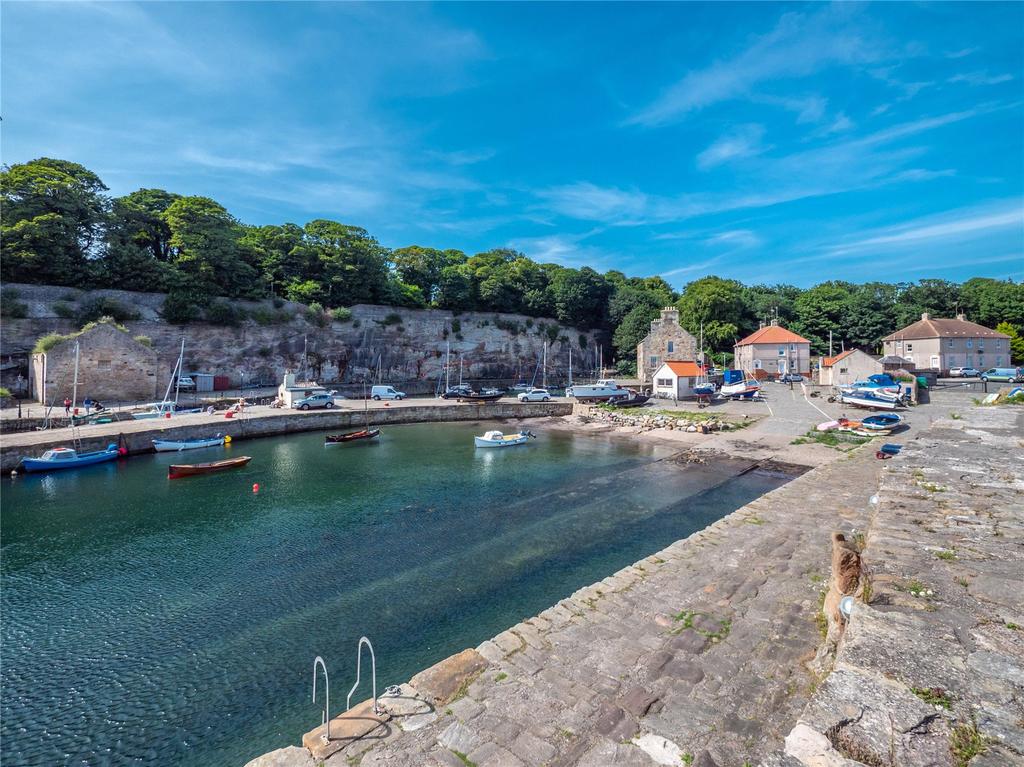
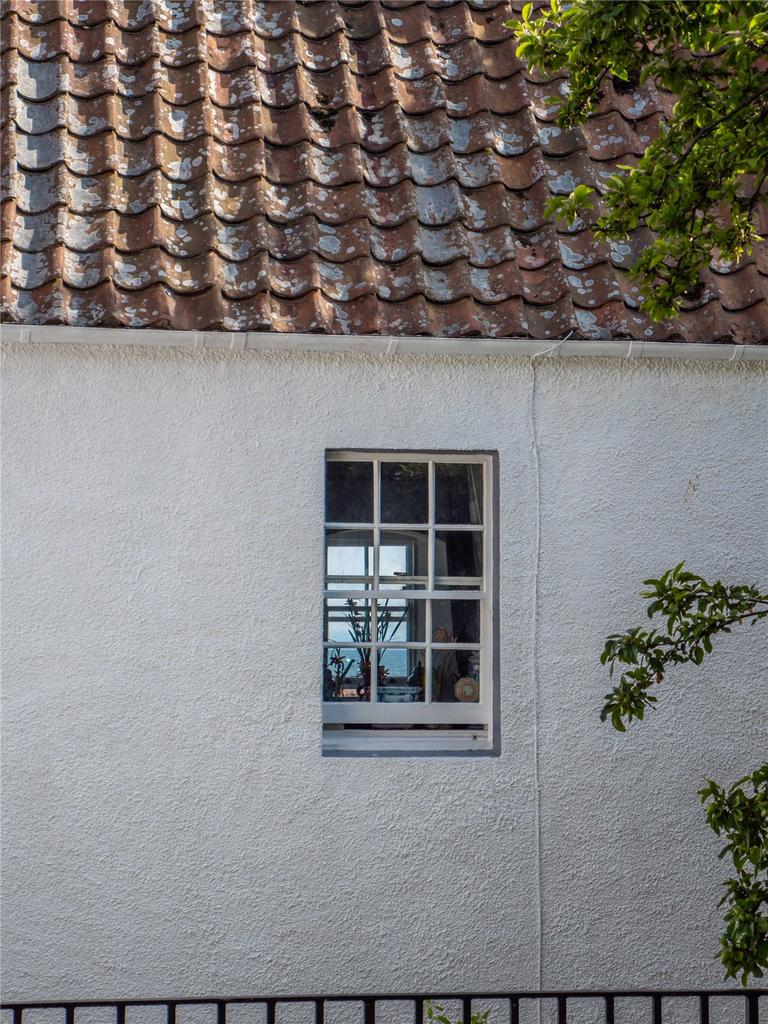
The Bay House was built in 1583 by Lord Patrick Sinclair of Dysart and Ravens-Craig as a wedding gift for his bride. The Sinclairs were powerful aristocrats, close to the ruling Stuart dynasty, with estates and business interests across Scotland. In Dysart Lord Patrick oversaw the family’s mining, shipping, shipbuilding and salt panning interests. Salt was almost as valuable as gold in the 16th century. The sizeable harbour at Dysart provided the means of trade with Europe, particularly the Low Countries- Holland and Belgium today. The Bay House has distinctive Dutch influenced crow stepped gables and to this day geologists find evidence on the beach of European deposits that were from the ballast of the trading ships. The distinctive Fyfie boats were built at the Harbour.
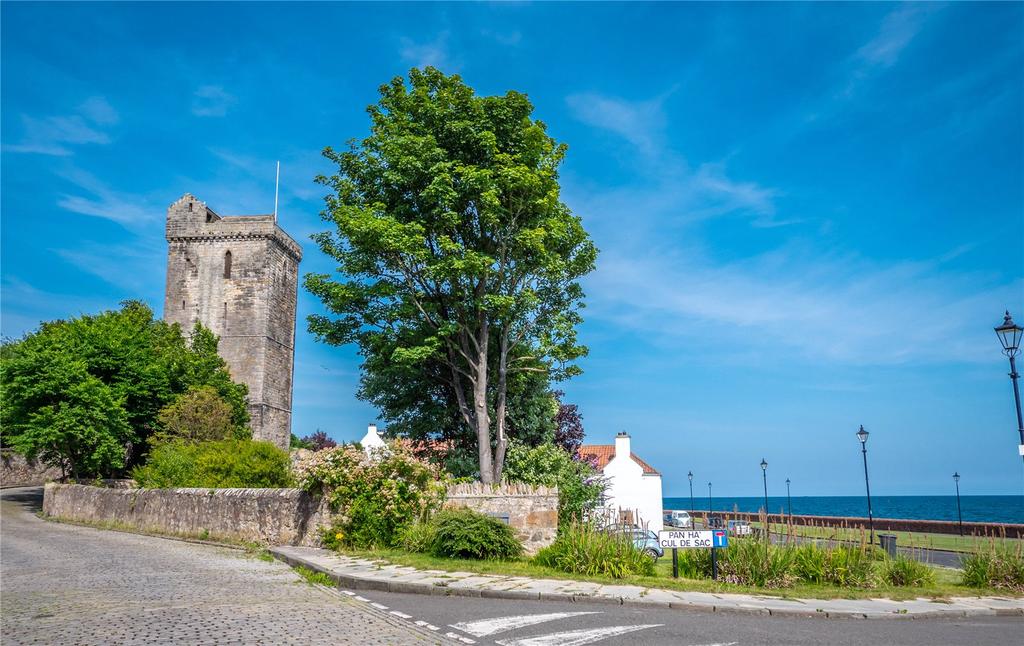
The area around the house became known as Pan Ha’, reflecting the salt panning carried out on the foreshore on the Haugh - a Scots term for low lying land. The road to the harbour is Hot Pot Wynd, testament to the vats of steaming saltwater refining the salt.
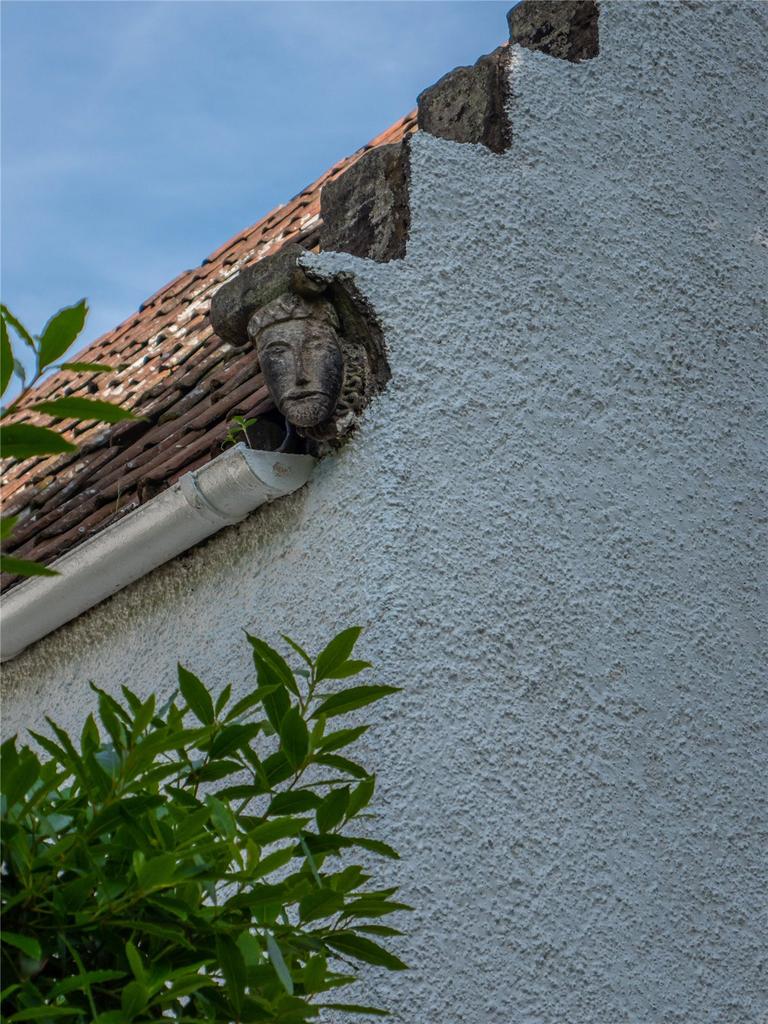
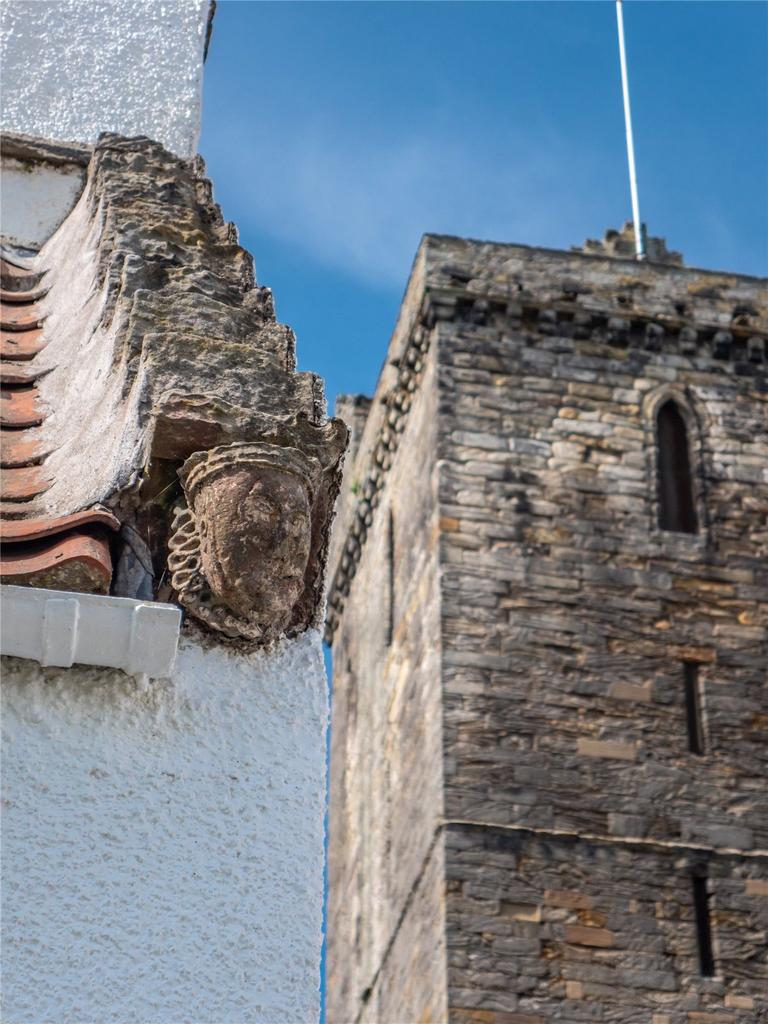
The Sinclairs were anxious to show their connection to the Stuarts and installed ‘Skewput’ heads at the corners of the roof. It is assumed that these are of King James VI, Queen Anne of Denmark and Prince Henry their son. The fourth head is lost but may have been of Prince Charles, later Charles 1st.
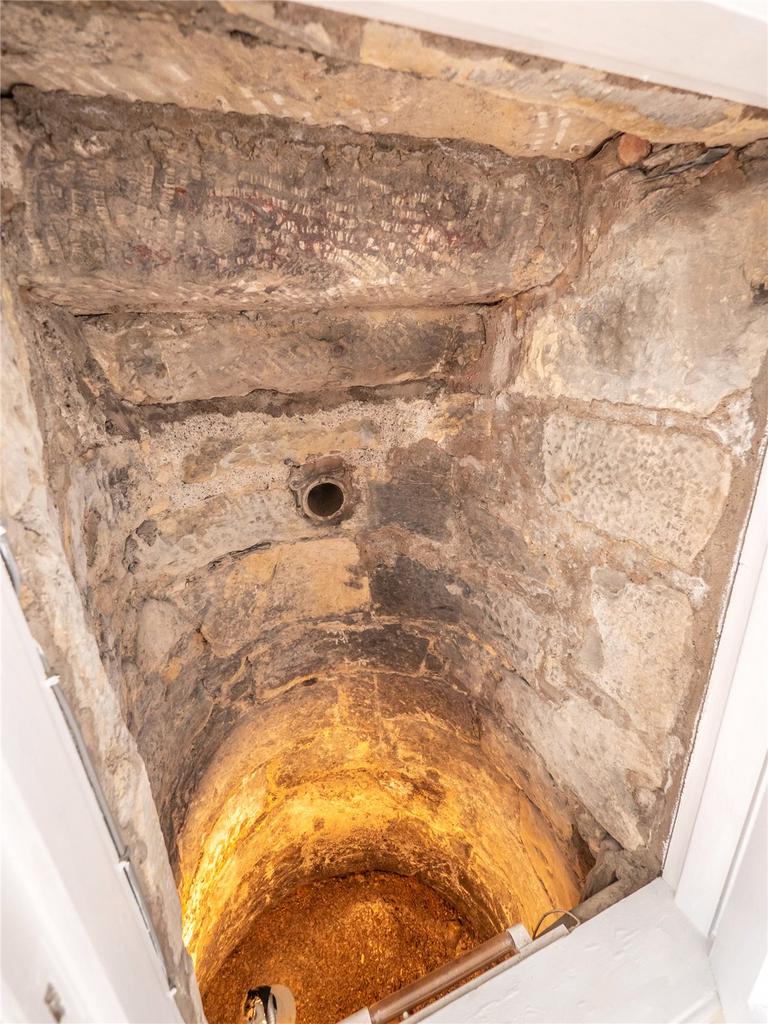
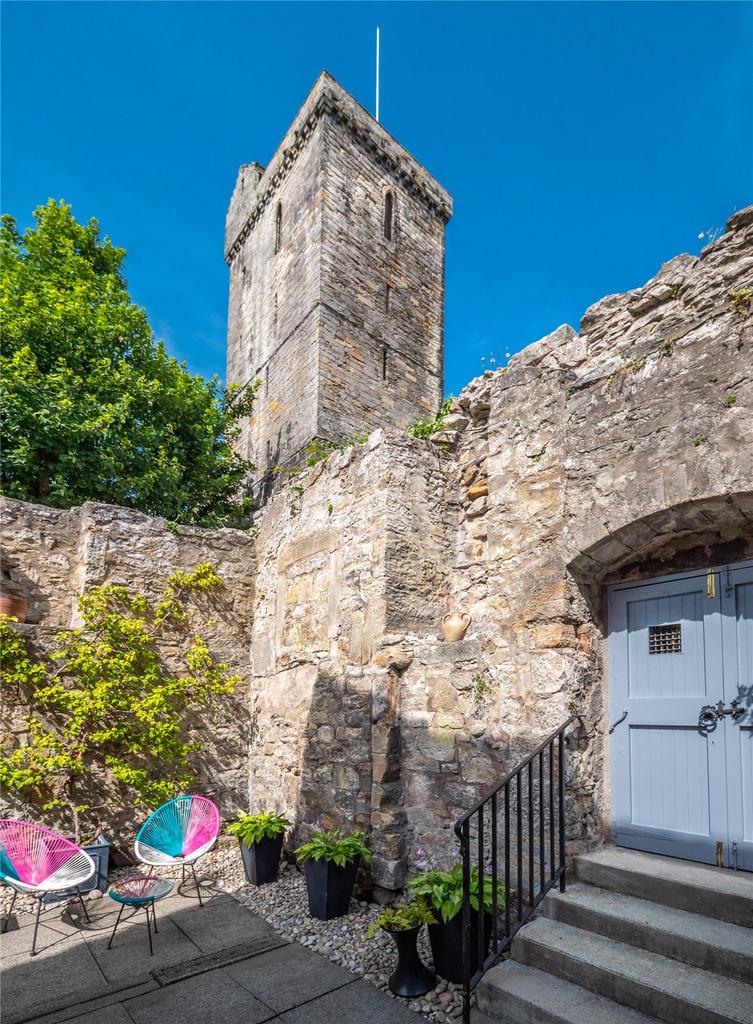
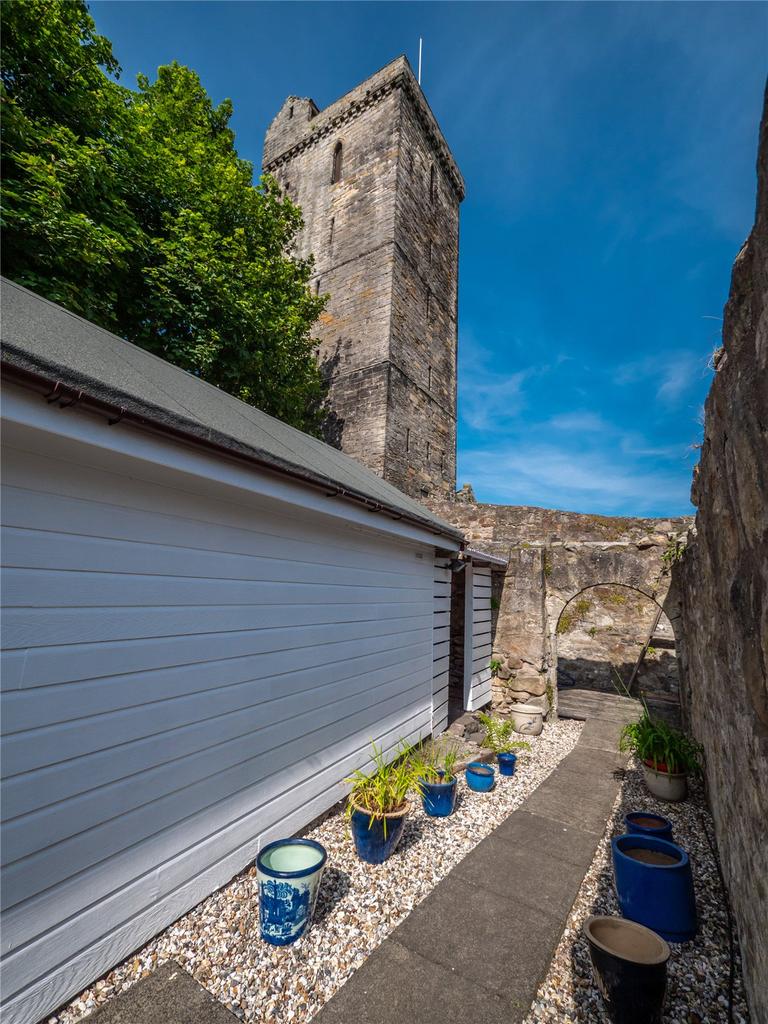
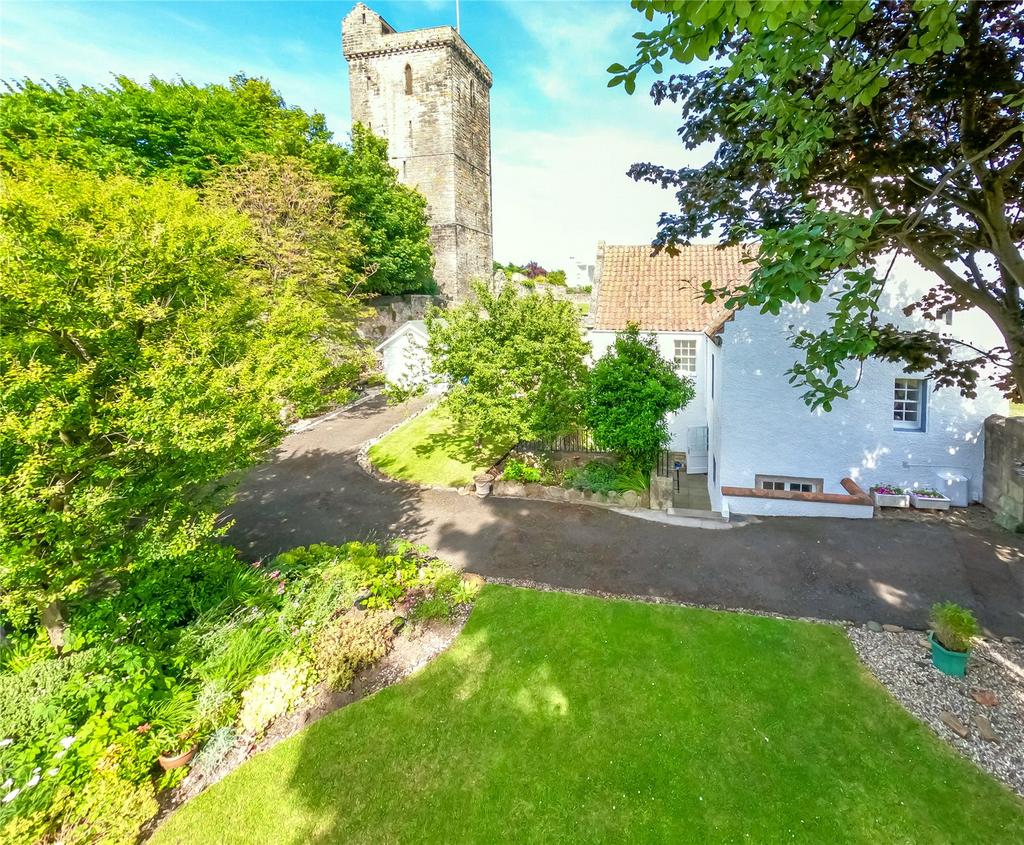
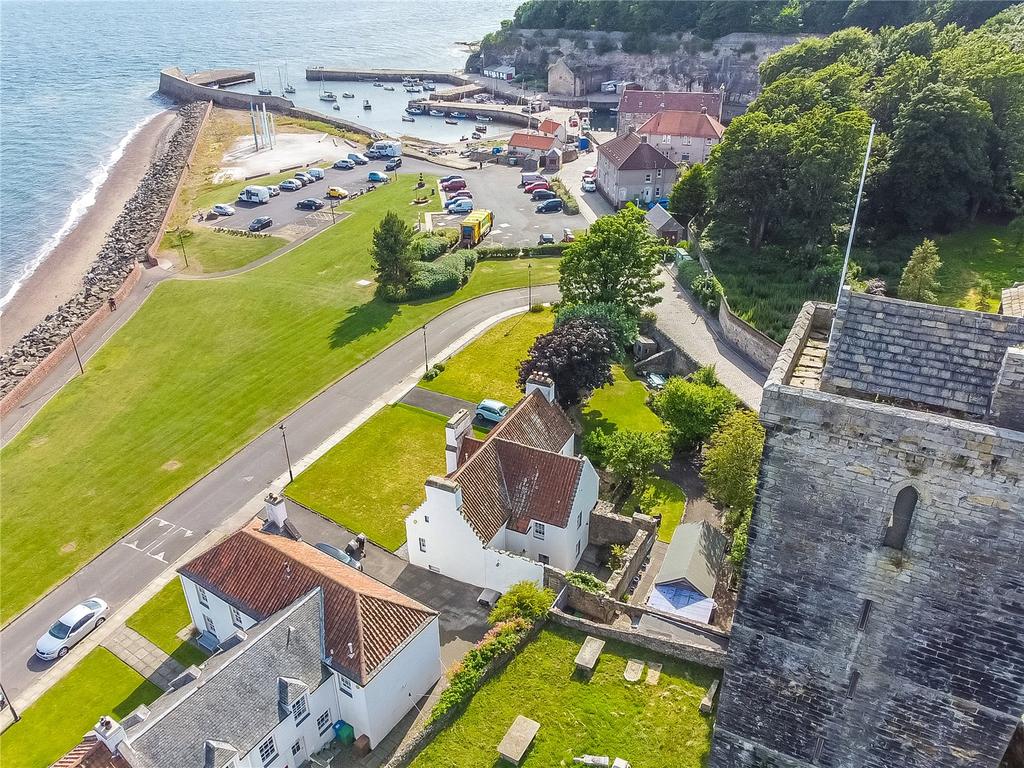
The Bay House was built just below the 15th century St Serf’s church and beside the only freshwater well. This is now inside the house, but capped off.
The Bay House was the main laird’s house until the 18th century when the Sinclairs built a more fashionable Georgian Mansion above. This is now a Carmelite Monastery. The old house was used at first for the factor and family retainers. In the 19th century the Sinclair heir lost the family fortune and everything was sold to Sir George Nairn who had no interest in Pan Ha’ as salt was no longer in production.
The Bay House was known as The Bay Horse Inn for some years, run at one point by John Ruskin’s grandparents, but gradually became increasingly dilapidated, as did the other houses on Pan Ha.
John Buchan spent his holidays in Dysart as a child and it appears in his books, notably ‘The Free Fishers’. More recently the ‘Outlander’ series filmed at the harbour.
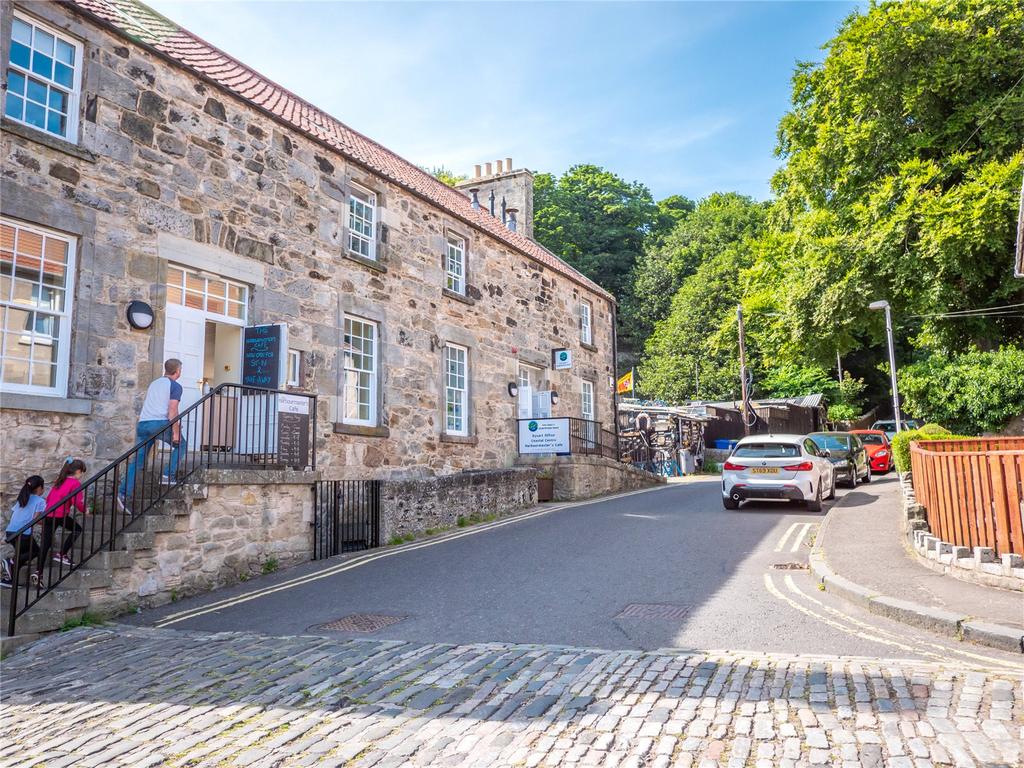
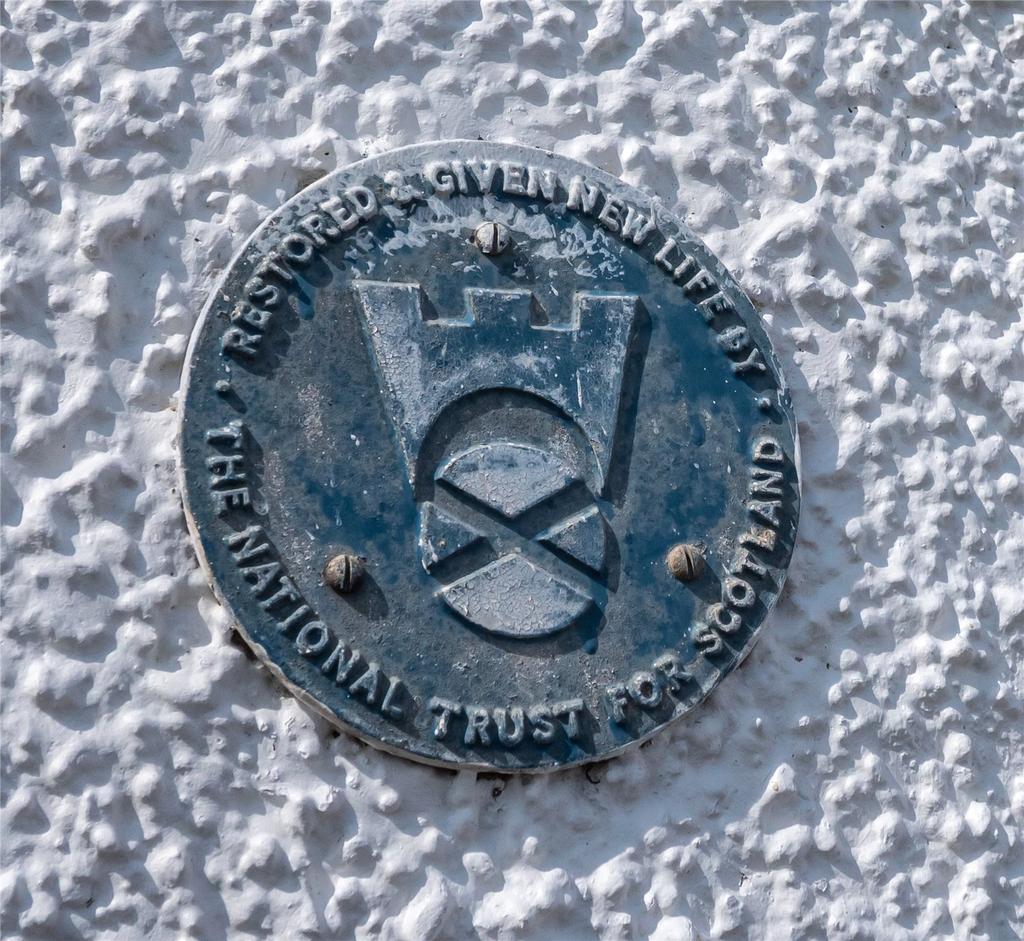
In the 1960’s the 12 houses of Pan Ha’ were selected as a project for the National Trust for Scotland’s ‘Little Houses’ scheme and were renovated by the renowned architect, W Schomberg Scott.
Her Majesty Queen Elizabeth the Queen Mother opened the completed project in 1969. They are now known as the white houses of Pan Ha’. The Bay House is A listed and Pan Ha’ is part of the Dysart conservation area. Dysart is on the Fife costal path.
The Bay House retains many original features which were saved by the restoration, although wooden painted ceilings were removed to storage. The house has 16th century wall presses, an interior window, the ‘Lang Drap’ (16th century toilet) and the original Great Hall fireplace in addition to the well. However, the interior is modernised, an easy combination of ancient and modern.
Description
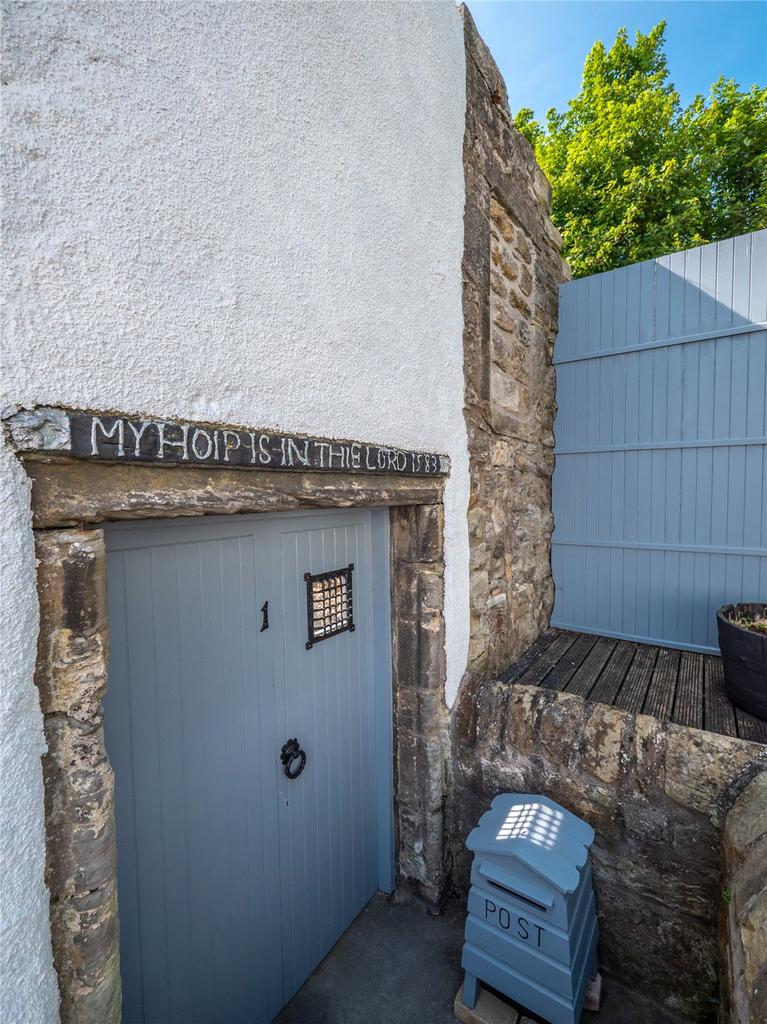
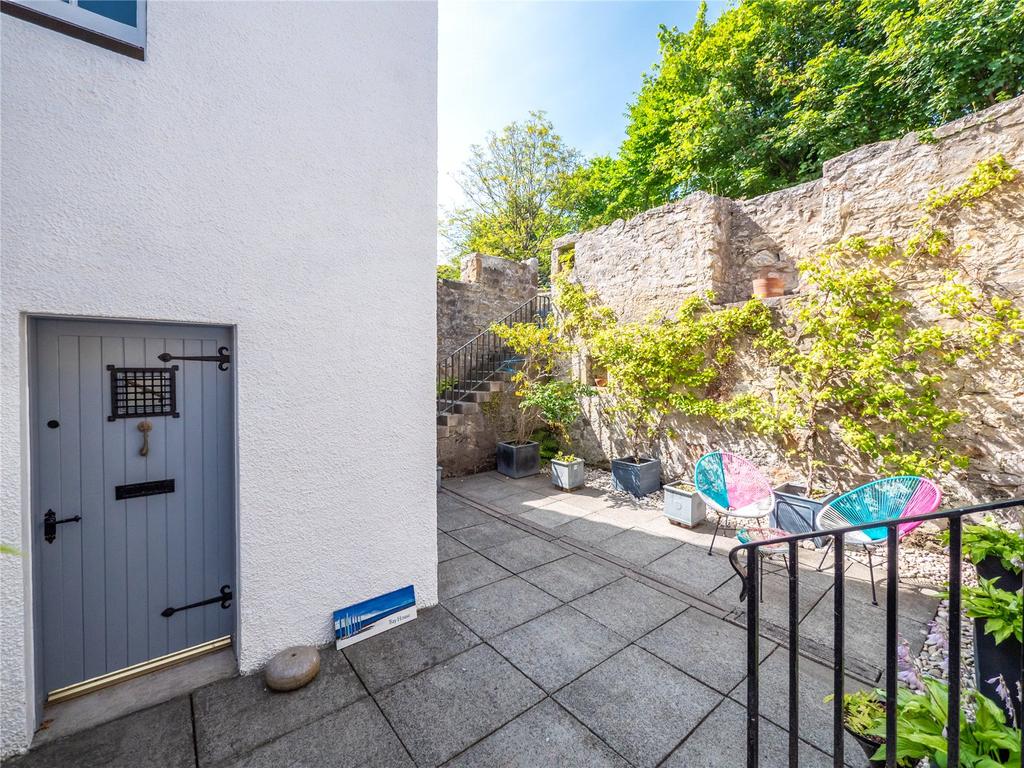
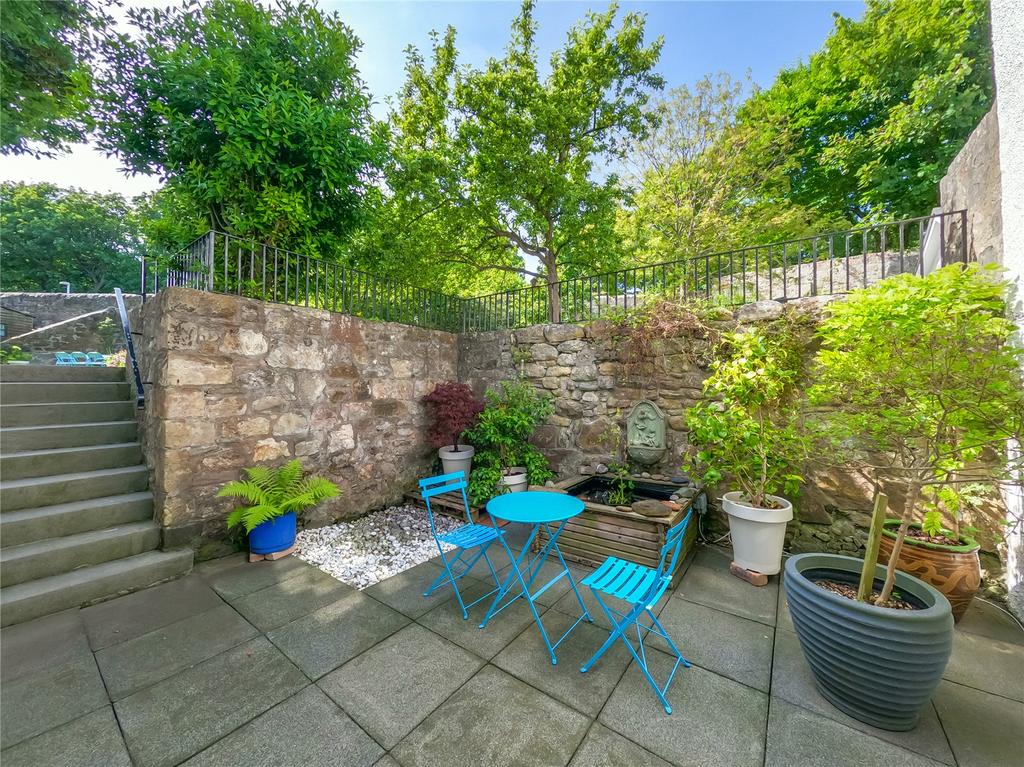
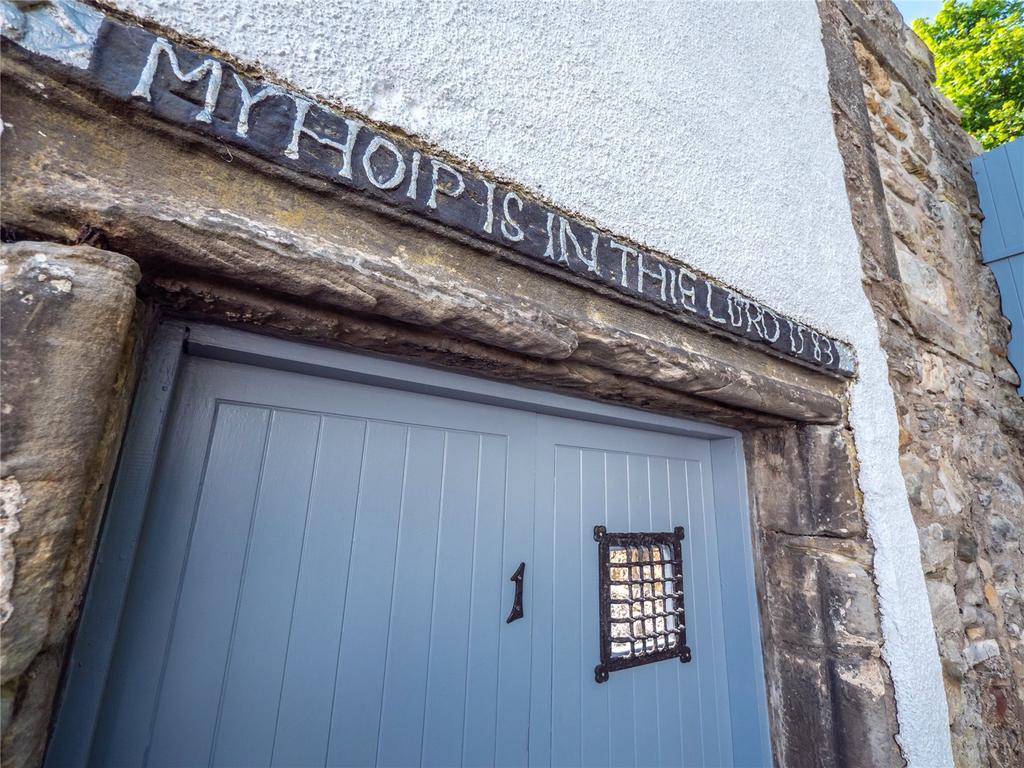
Set between two sunken courtyards, the A listed house is entered down steps to the side and through the original outer gateway above which is a lintel inscribed ‘My hoip is in Thie Lord’. (My hope is in thee, Lord)
The first courtyard, which has steps up to the garden, leads to the front door and into the outer hall on the ground floor, where the 16th Century well is located, now capped off. It has an internal window into the house.
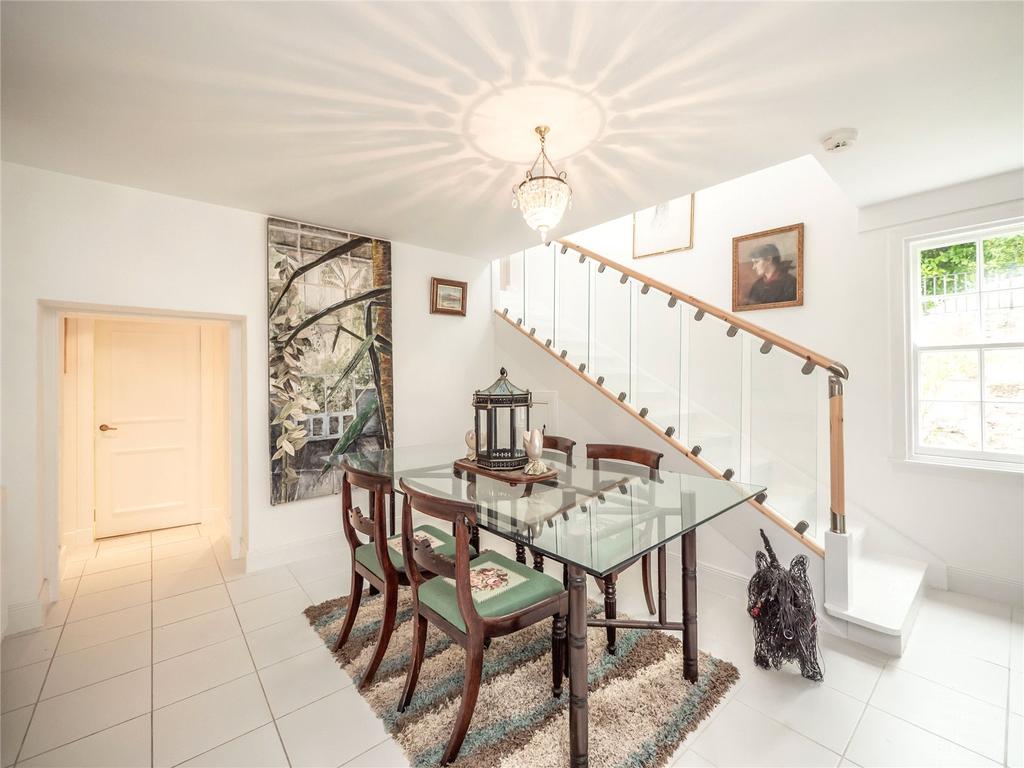
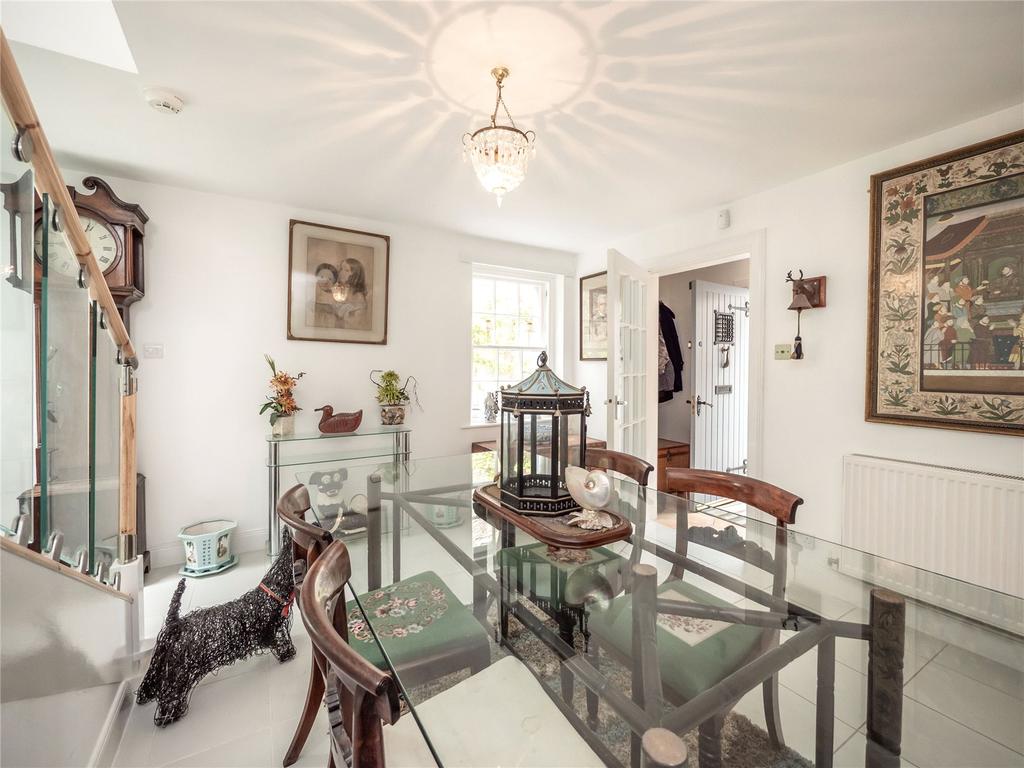
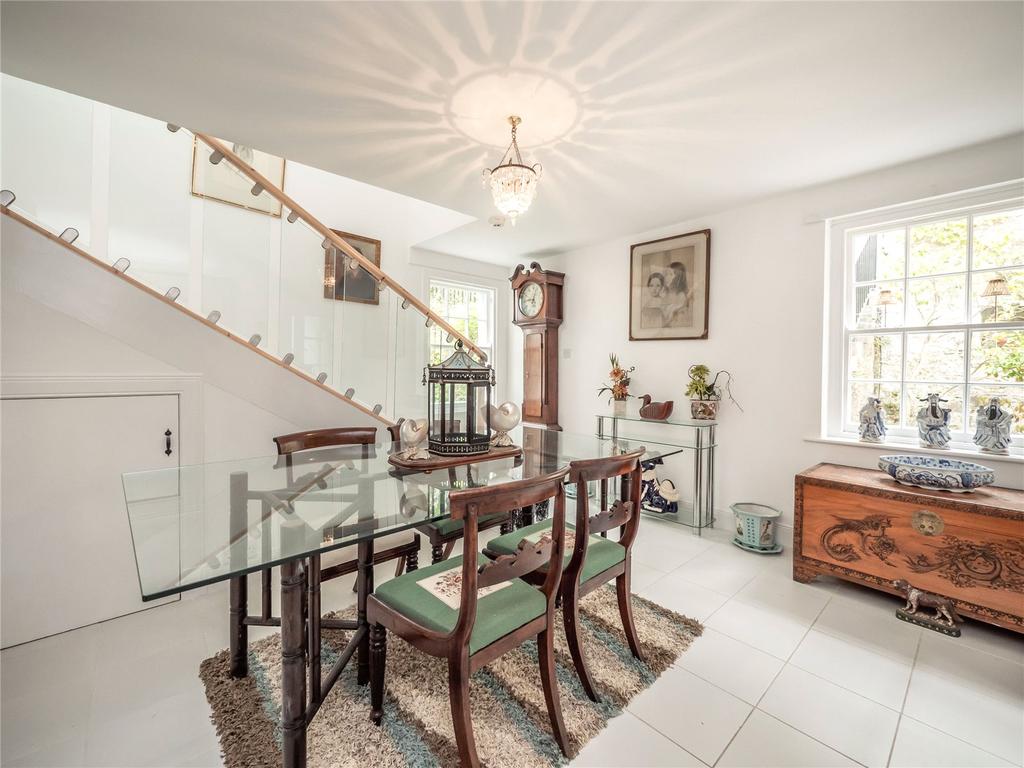
The inner dining hall in the centre of the house has dual aspect windows overlooking both courtyards. The ground floor rooms are accessed from here and a staircase leads to the upper floors. There is an under staircase cupboard.
Access to bedroom four, the kitchen, the utility room and the shower room is through an original doorway which is lower than modern ones.
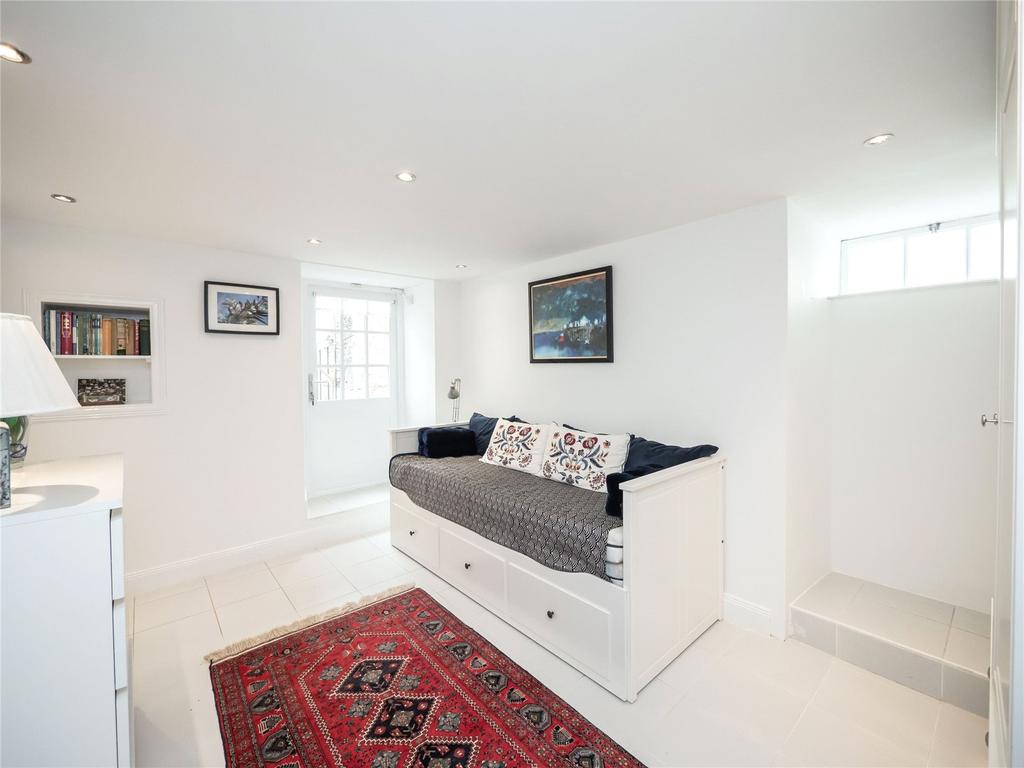
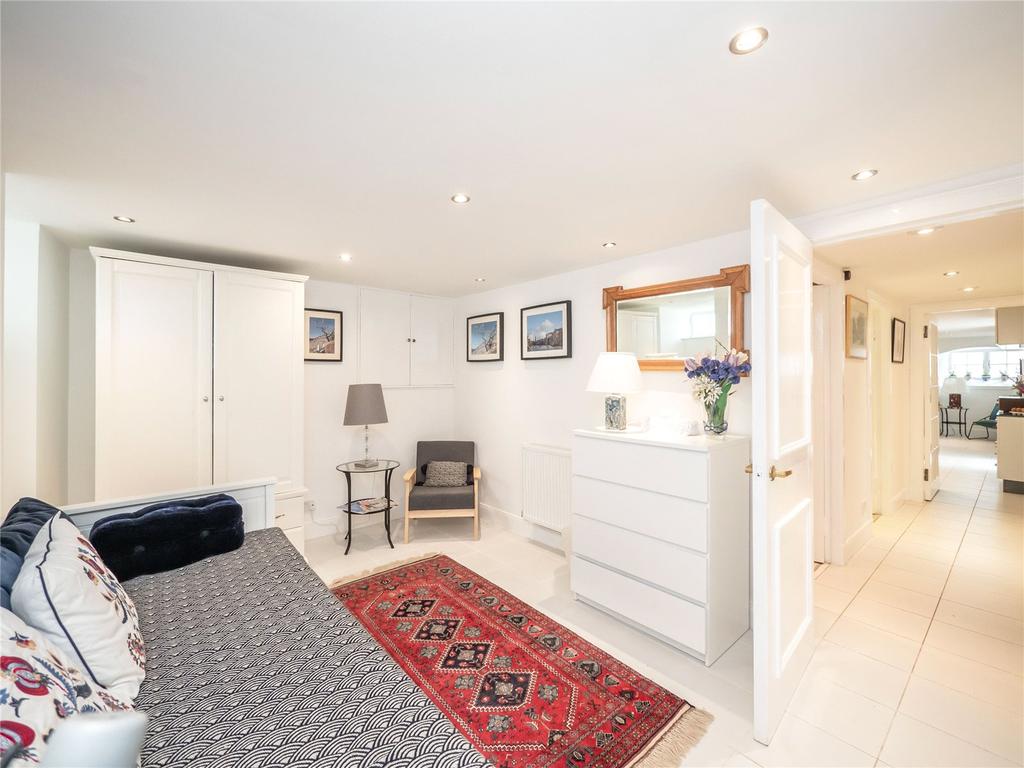
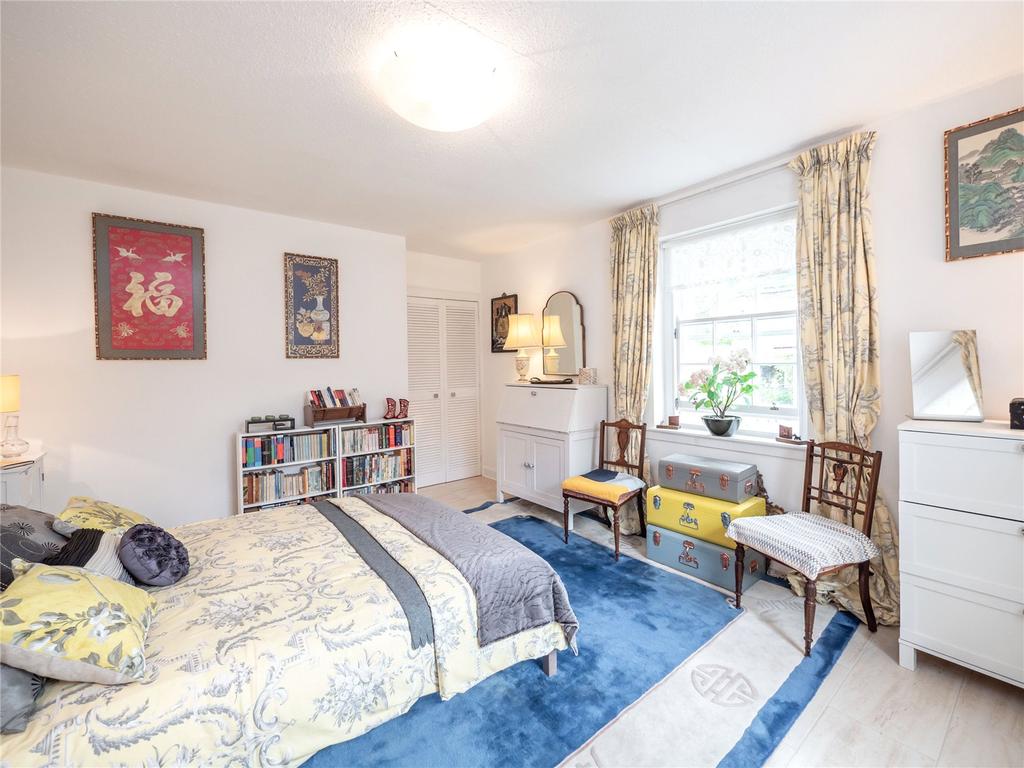
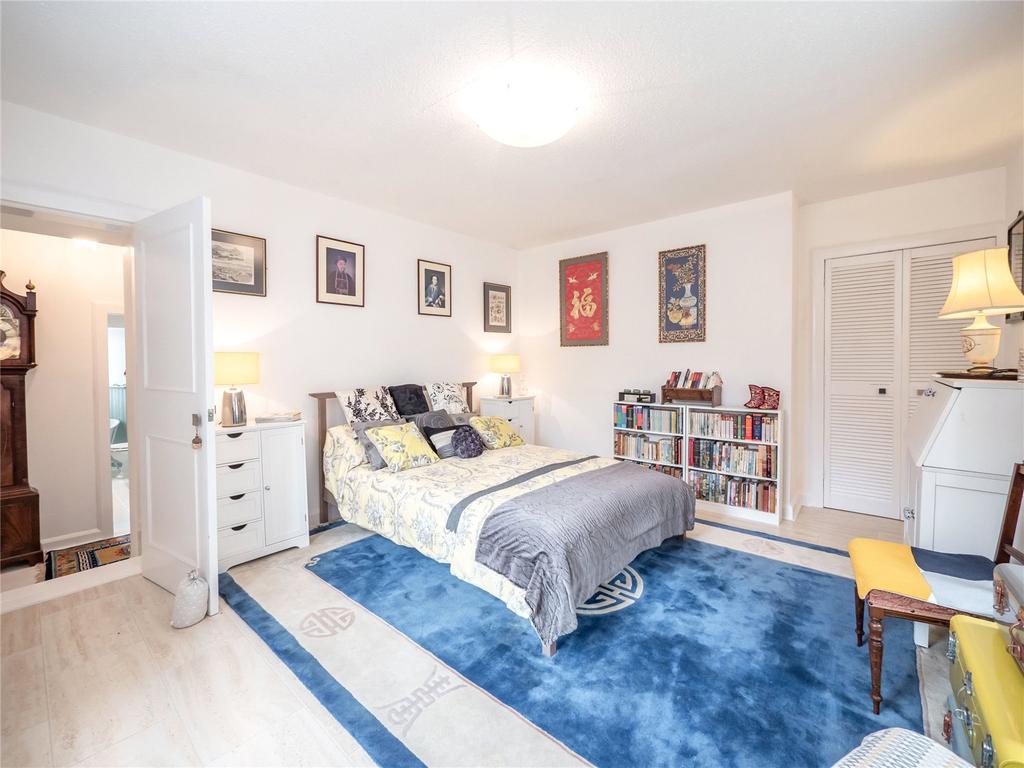
Bedroom four has a half glazed door accessing the front courtyard and an original small external window. The electric meter etc is contained in a wall cupboard.
The utility room has space for appliances and storage. There is access to a small pump room, necessary as this floor is below external ground level.
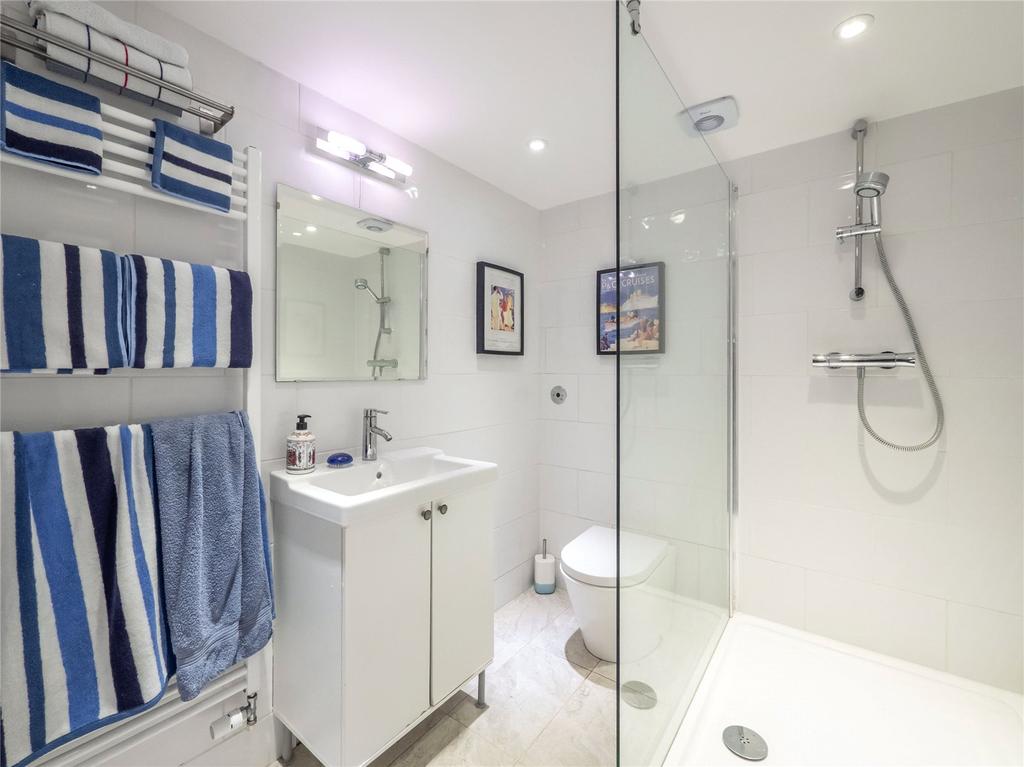
The fully tiled shower room has a walk in shower, WC and vanity washbasin with mirror above.
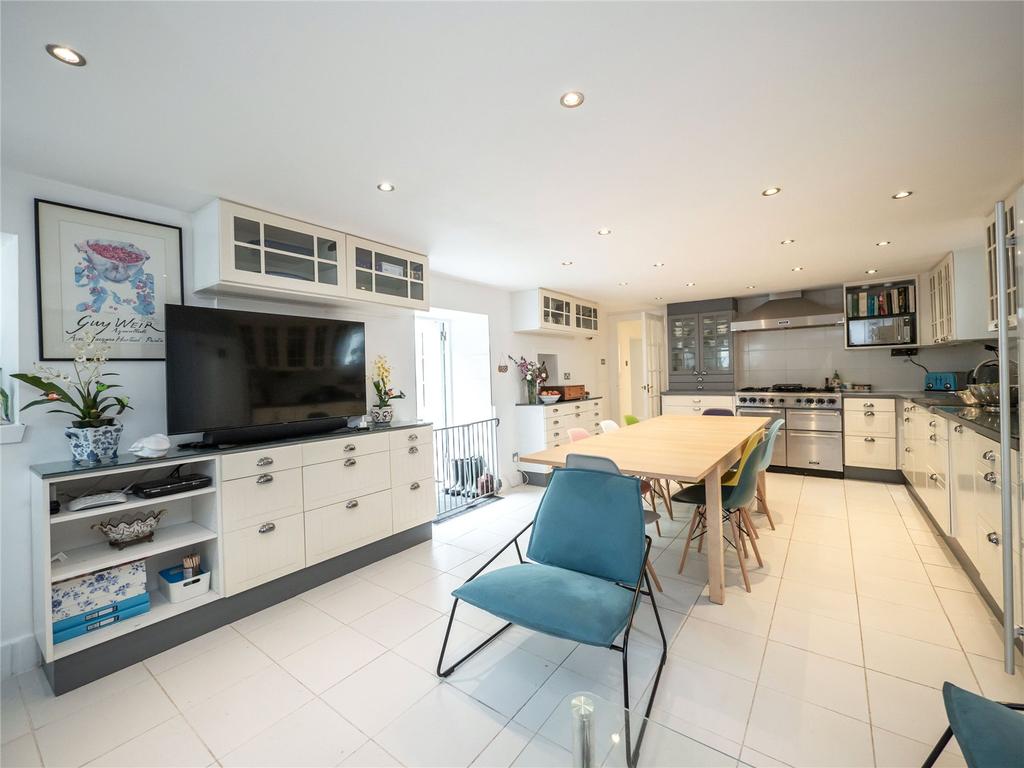
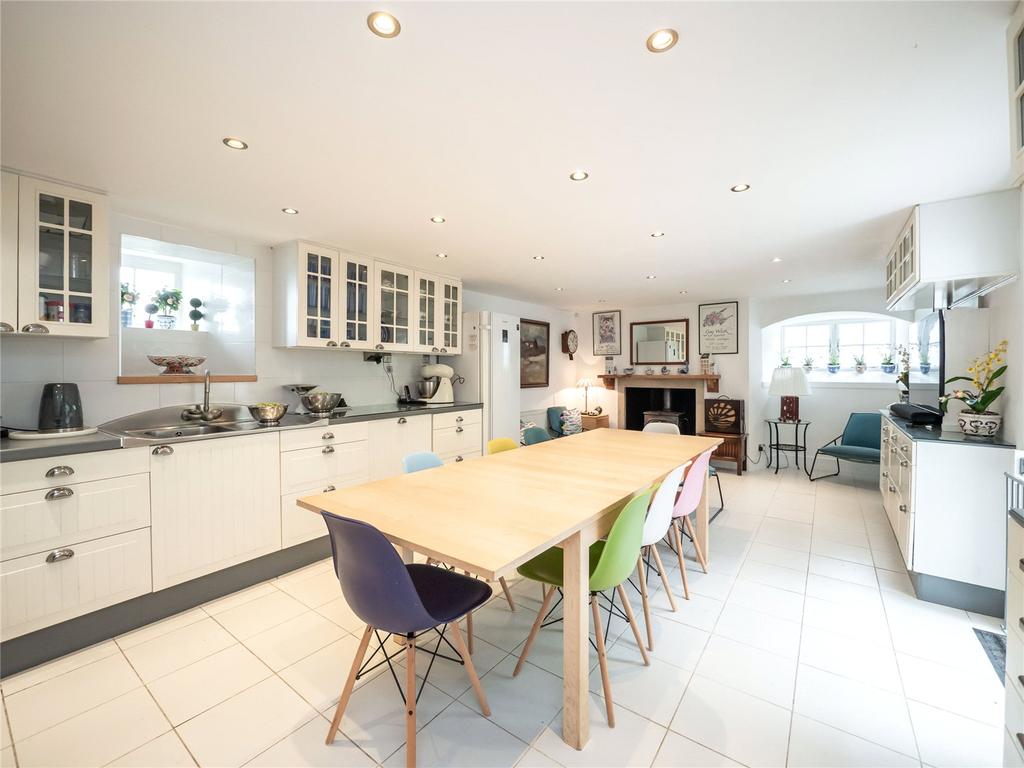
The large dining kitchen has an original fireplace housing a wood burning stove. There are floor and wall units and a 4 oven range cooker and extractor fan. There are triple aspect windows and a half glazed door leading to the second courtyard. The kitchen has regularly seated 24.
The staircase leads to the upper corridor and 3 double bedrooms, the family bathroom and the sitting room. There is an original wall press.
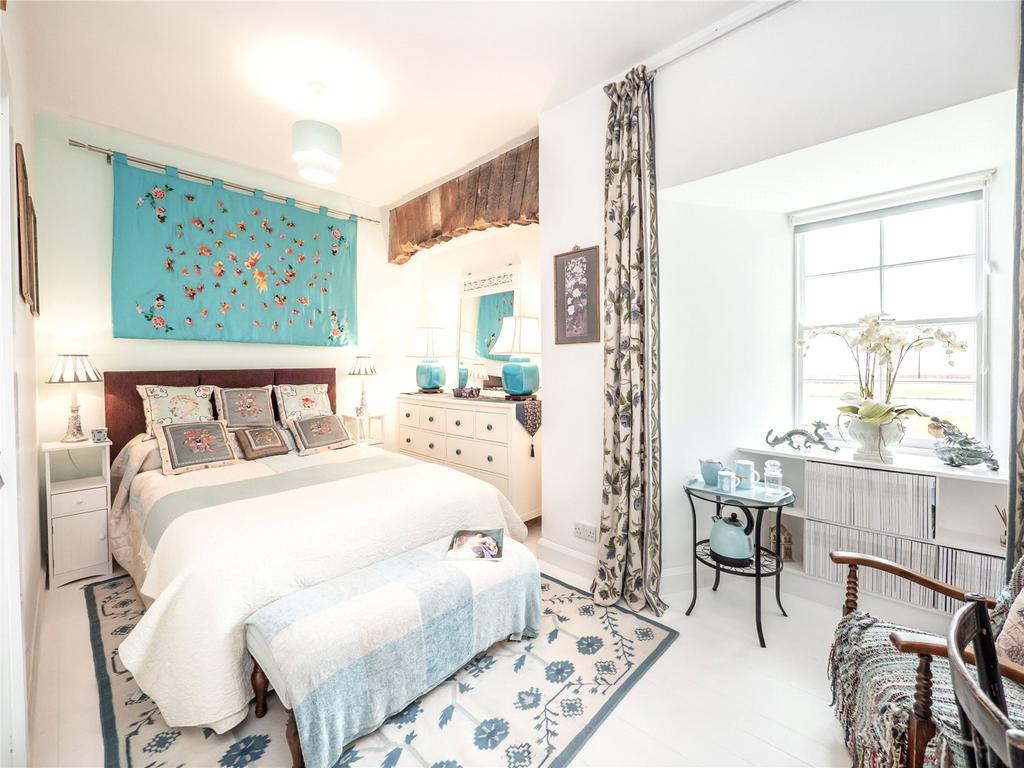
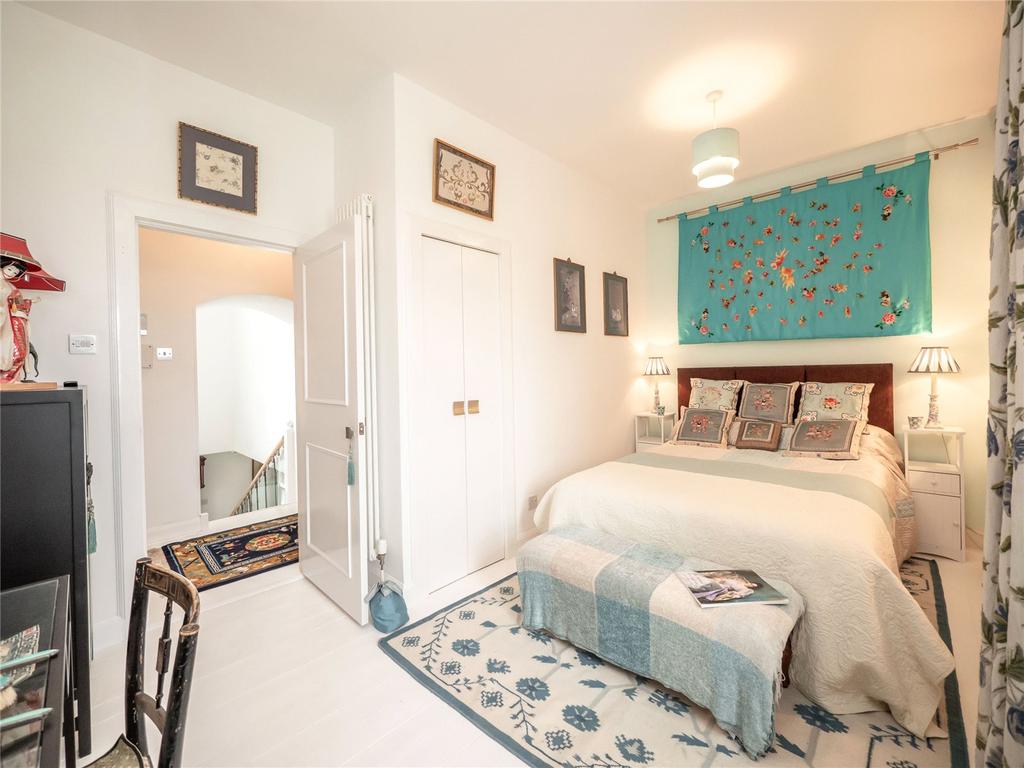
Bedroom 3 has dual aspect windows overlooking the front courtyard and the garden at the rear of the house. It has two deep built in cupboards.
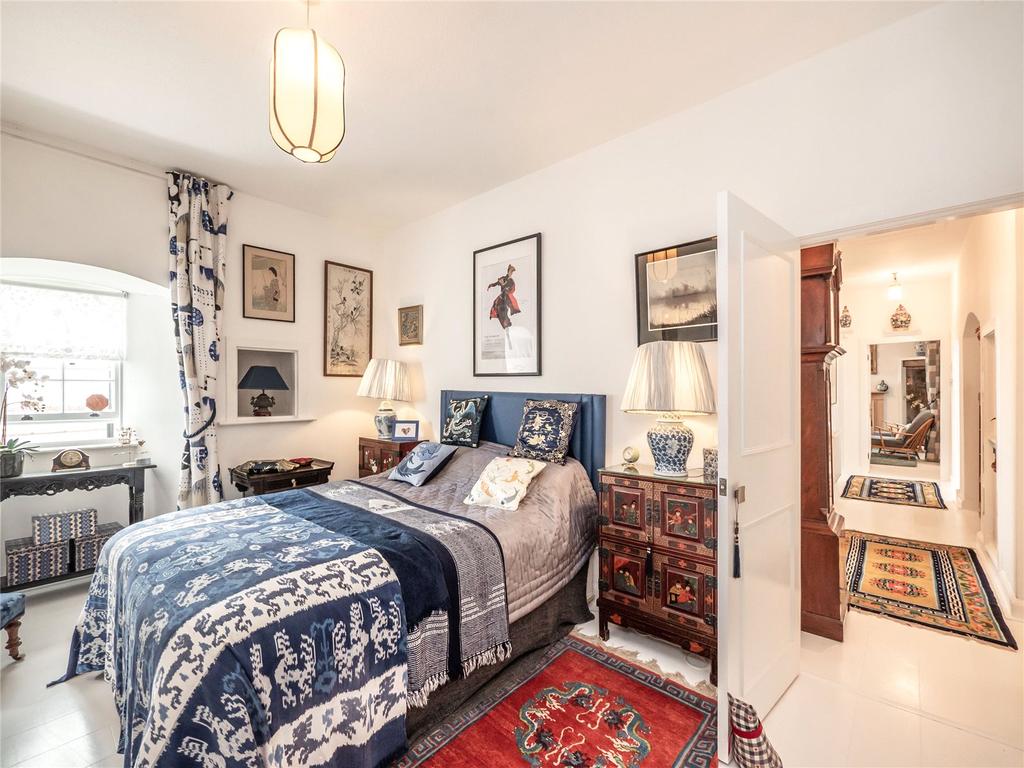
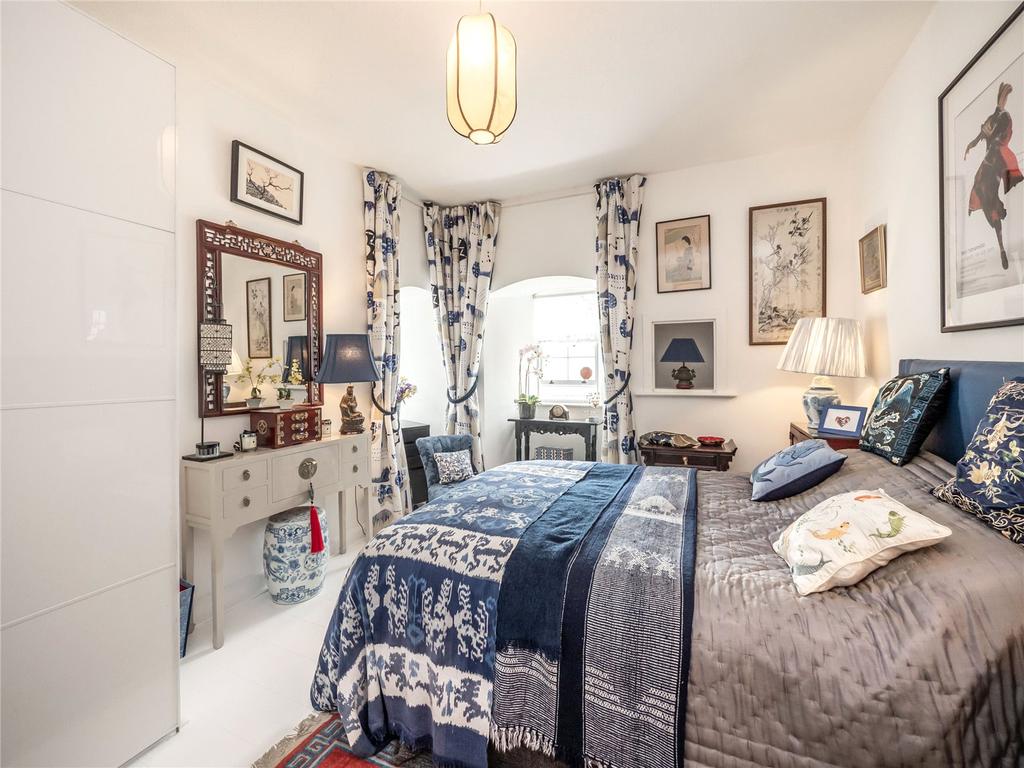
Bedroom 2 has dual aspect recessed windows, one of which has sea views. There is an original wall press with candle nook and another small wall press in the front wall and a modern built in wardrobe.
Bedroom 1 has a recessed window with sea views. Formerly part of the Great Hall, this room has the original fireplace, now blocked off but forming a useful wide recess. There is an original wardrobe press.
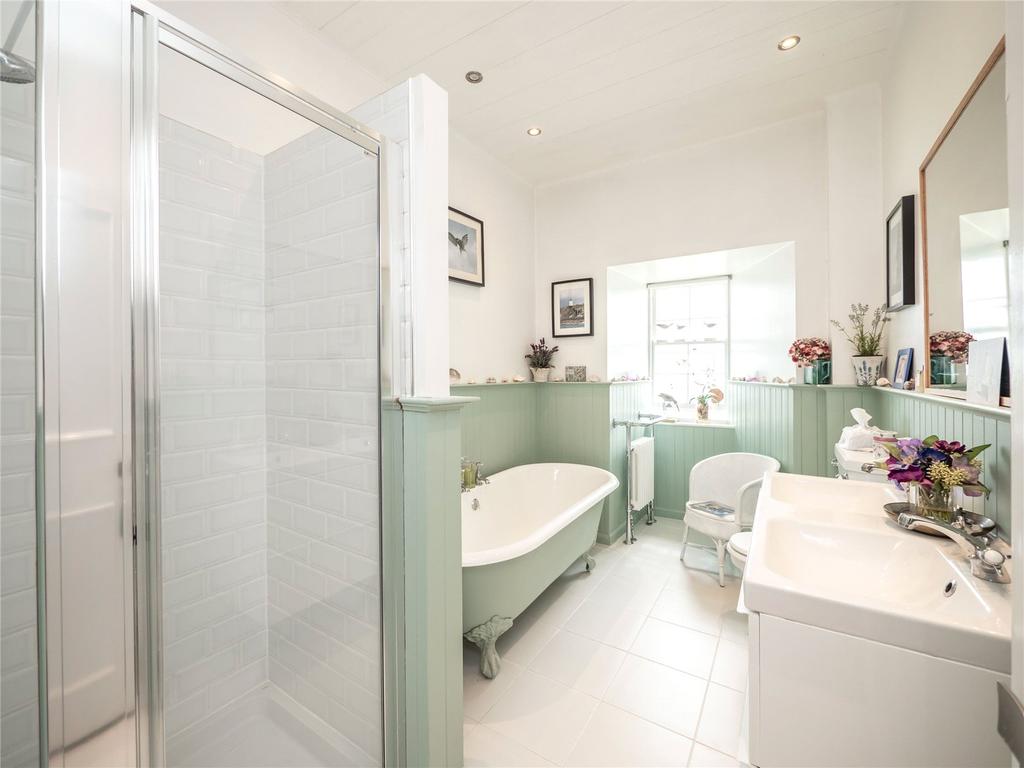
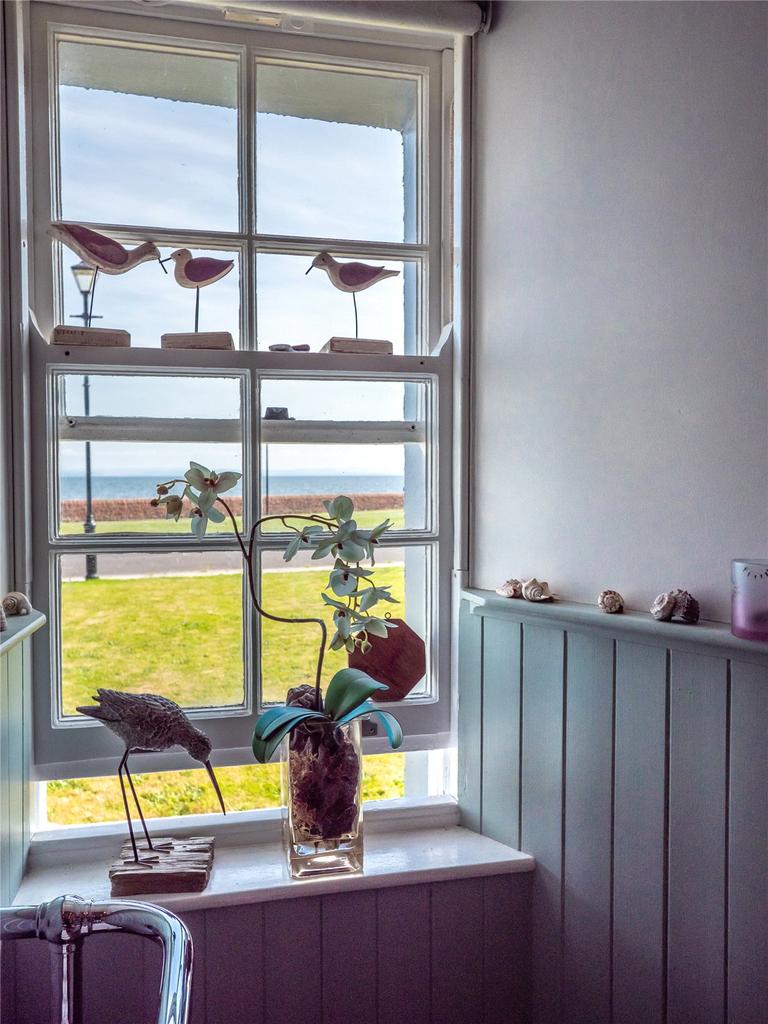
The family bathroom has a recessed window with sea views. There is a roll top bath with clawed feet, a double vanity sink, WC and a separate fully tiled walk in shower and enclosure. Half height tongue and grooved panelling to the walls.
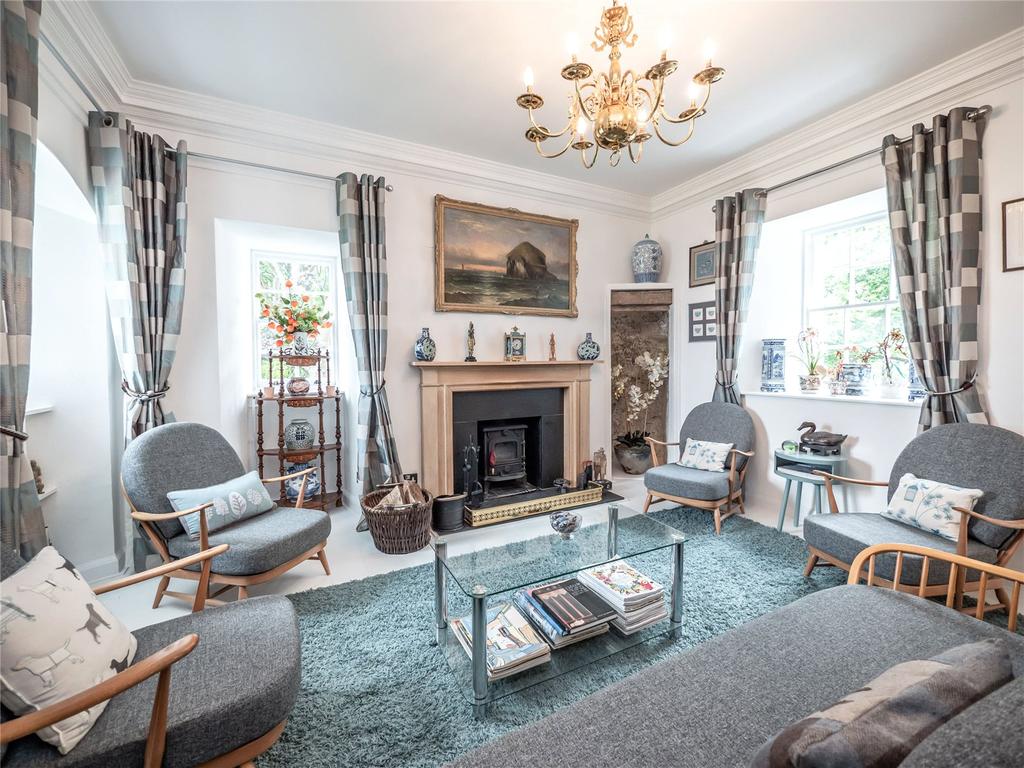
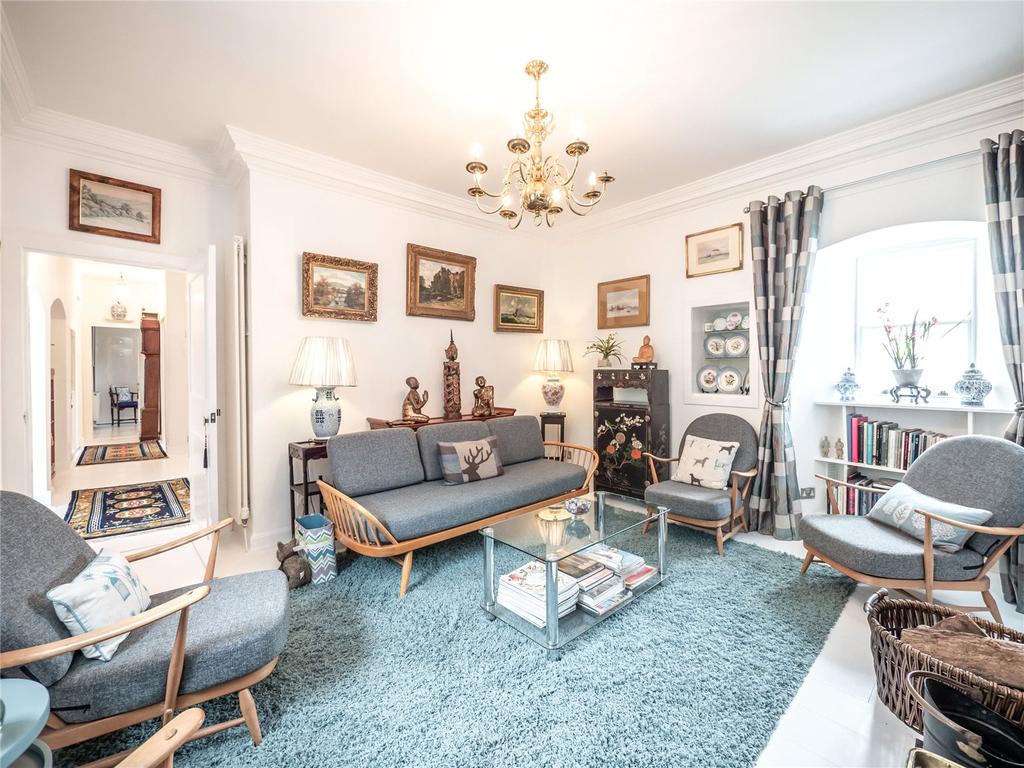
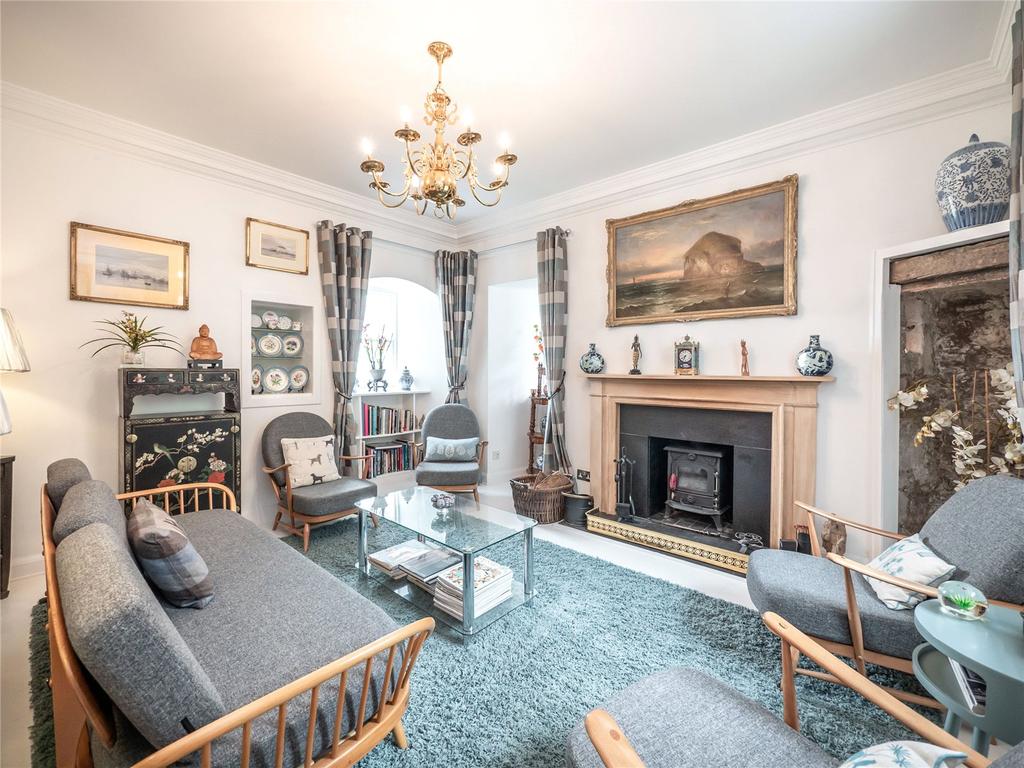
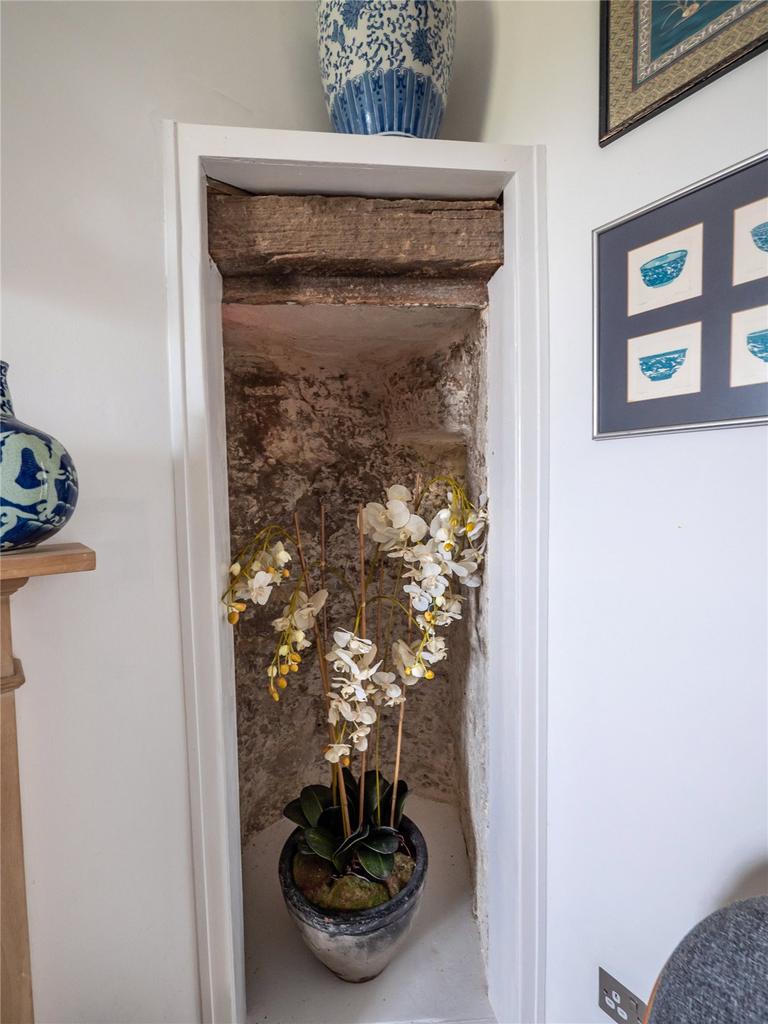
The sitting room has an original fireplace housing a wood burning stove and triple aspect windows, one with sea views, one overlooking the side garden and one the rear garden. This room houses two original wall presses and the ‘Lang Drap’ in a curved recess with candle nook and original (now glazed) small window for ventilation!
Double doors from the corridor reveal a second stairway to the attic floor.
The attic stretches across the entire house and is full height, allowing it to be used for multiple purposes as well as storage. Two original deeply recessed windows allow natural light in and the space is fully lit by ceiling spotlights. The central heating boiler and hot water tank are installed here.
The second courtyard outside the kitchen has steps up to the garden.
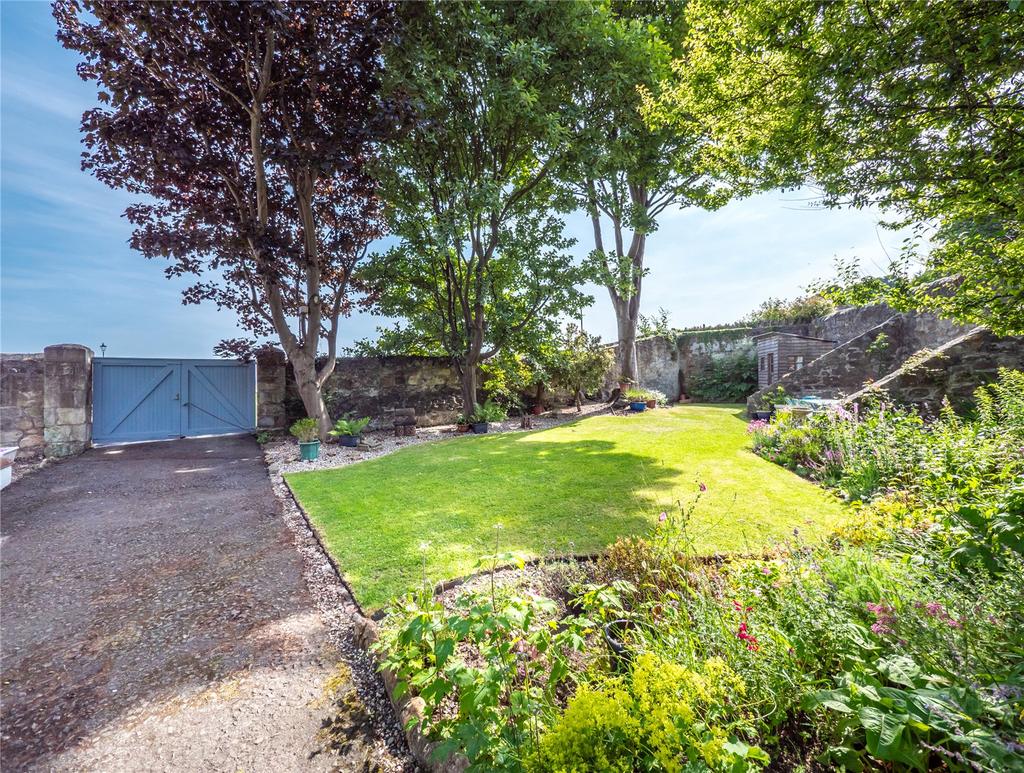
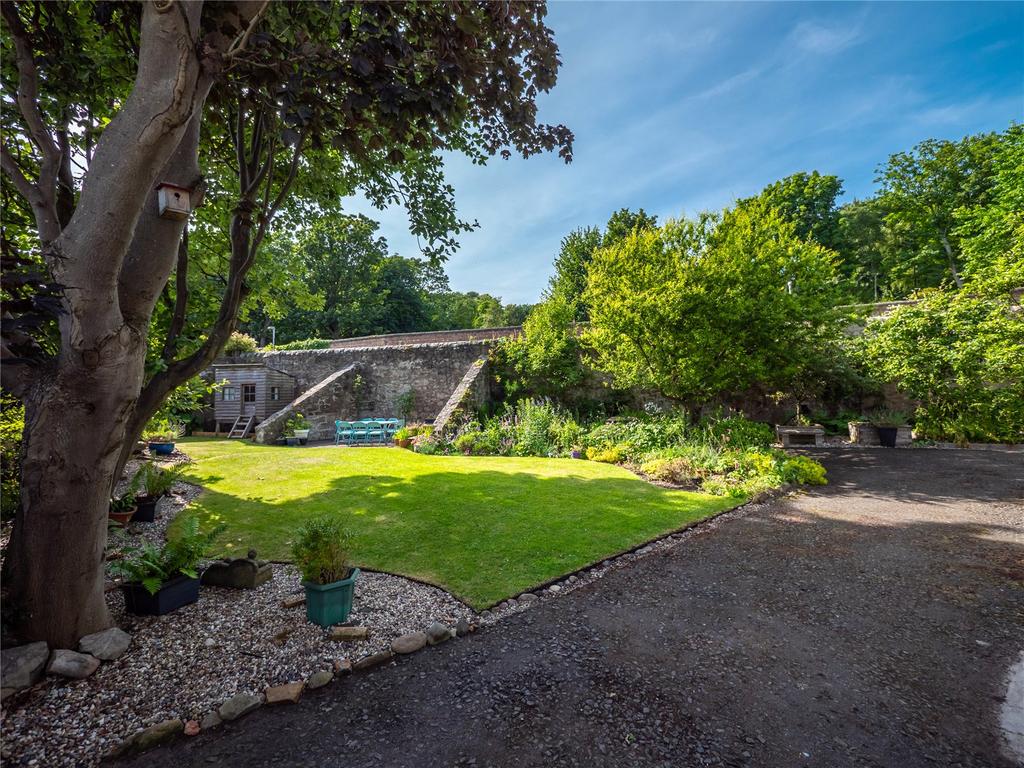
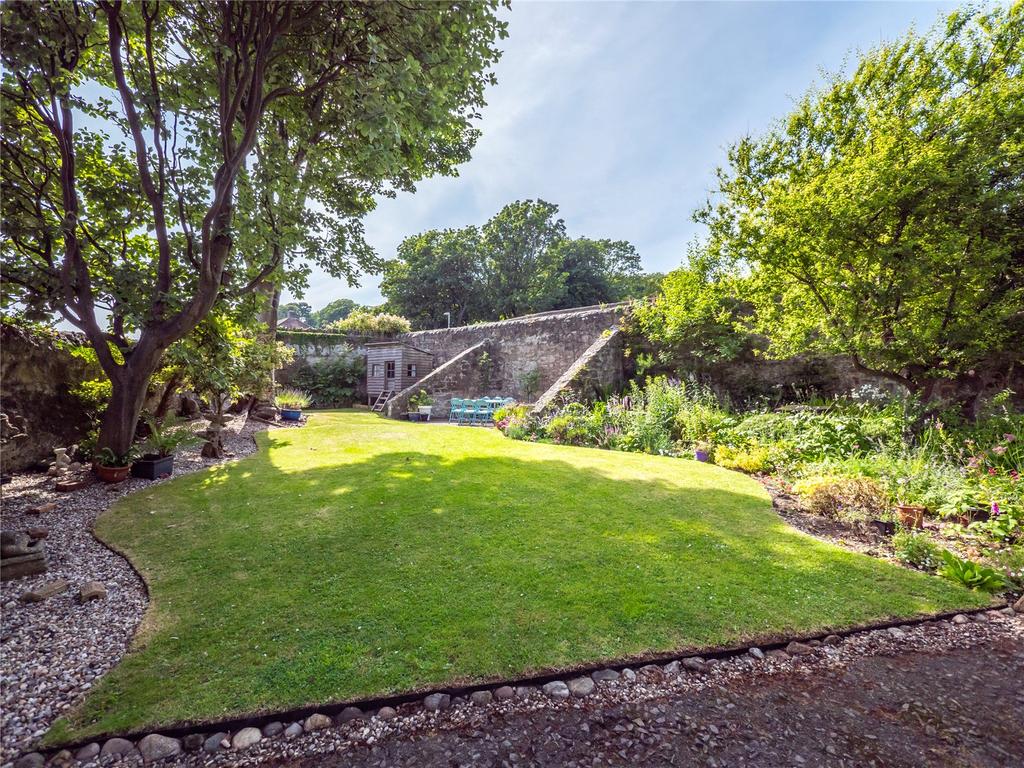
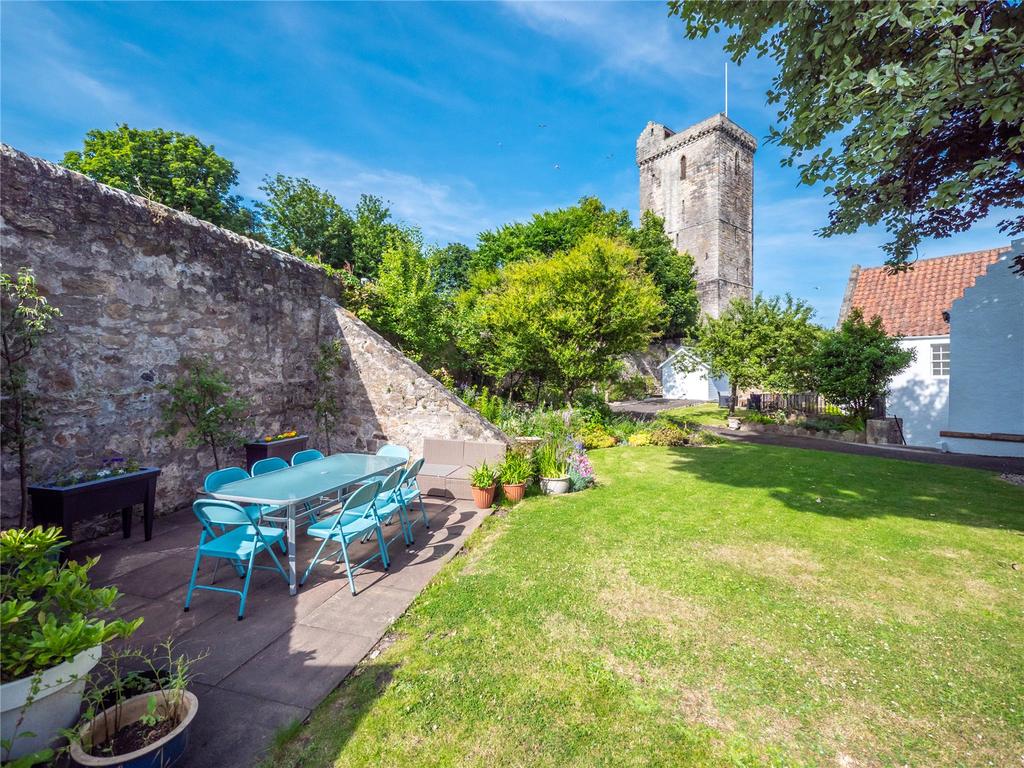
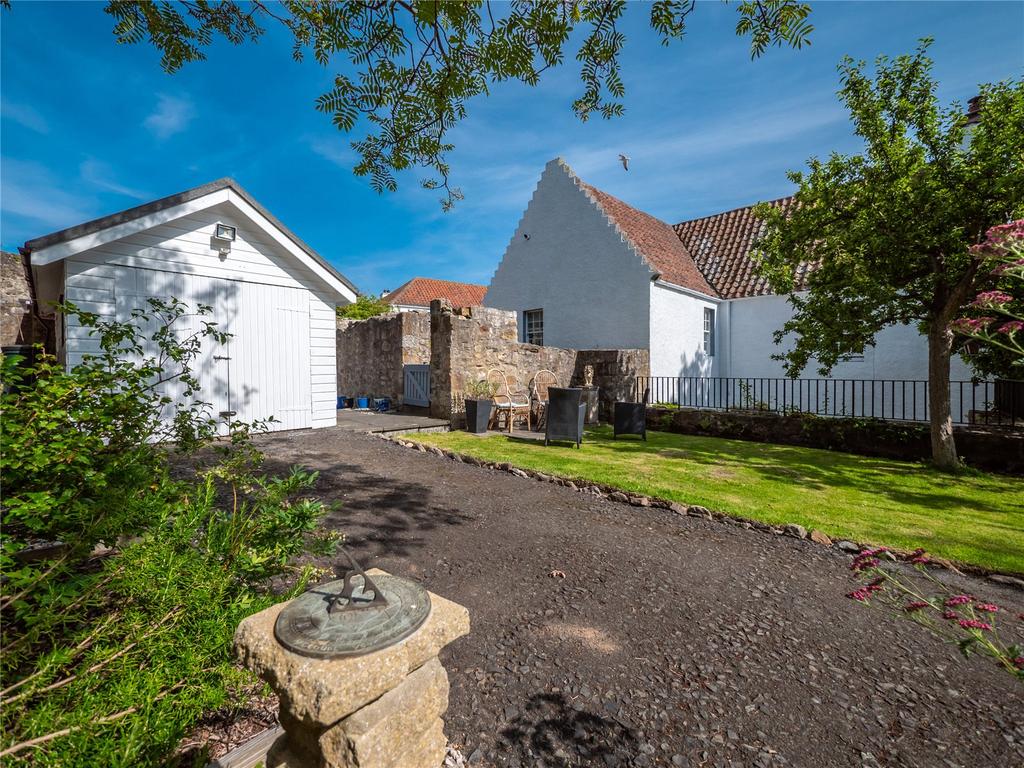
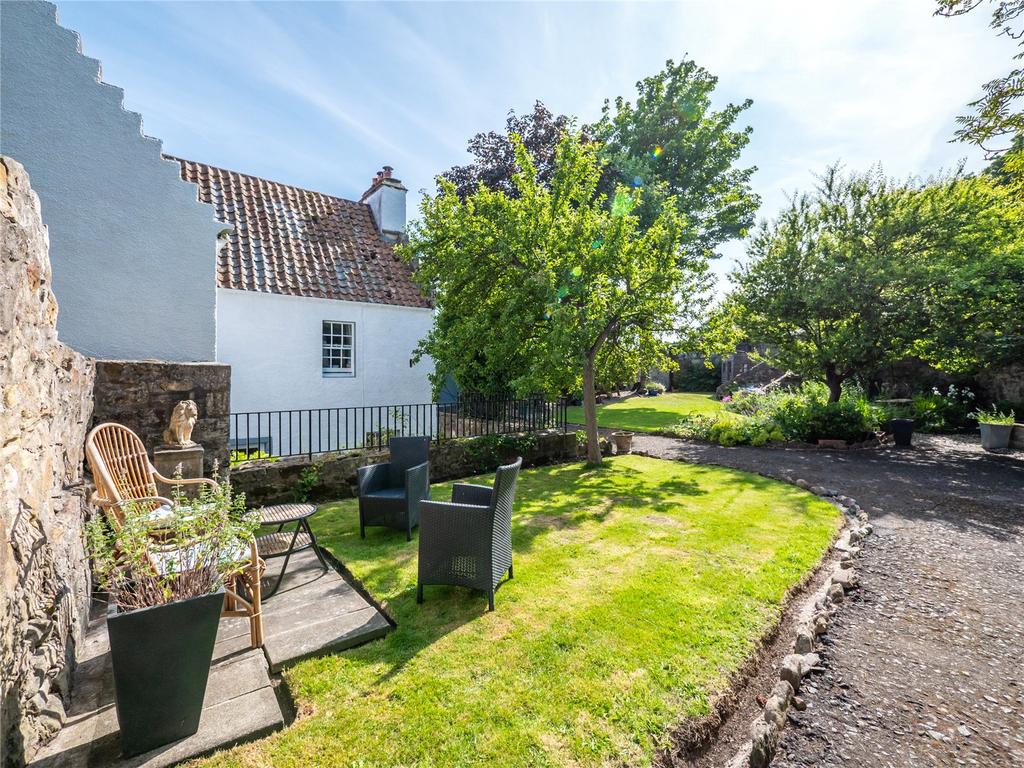
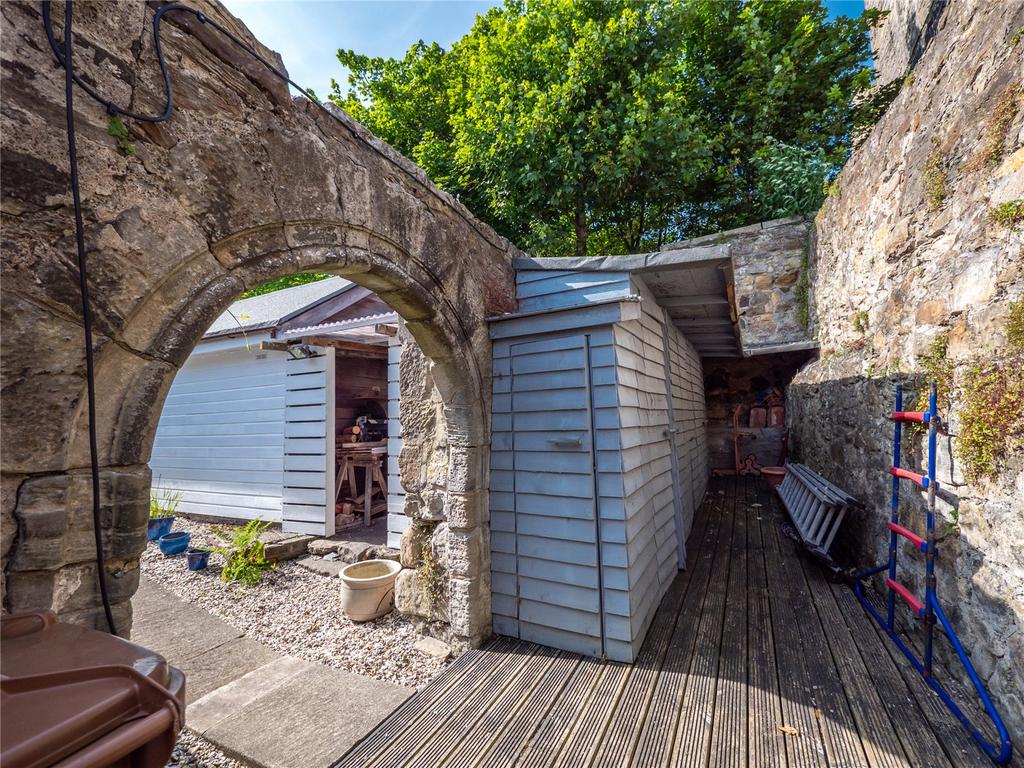
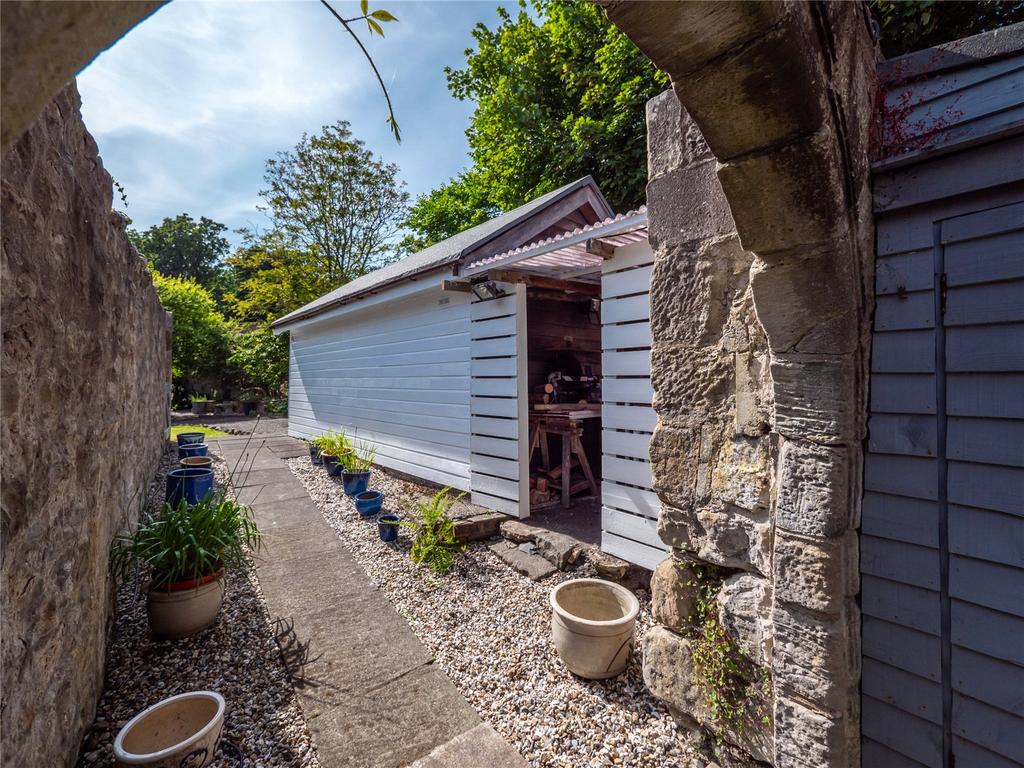
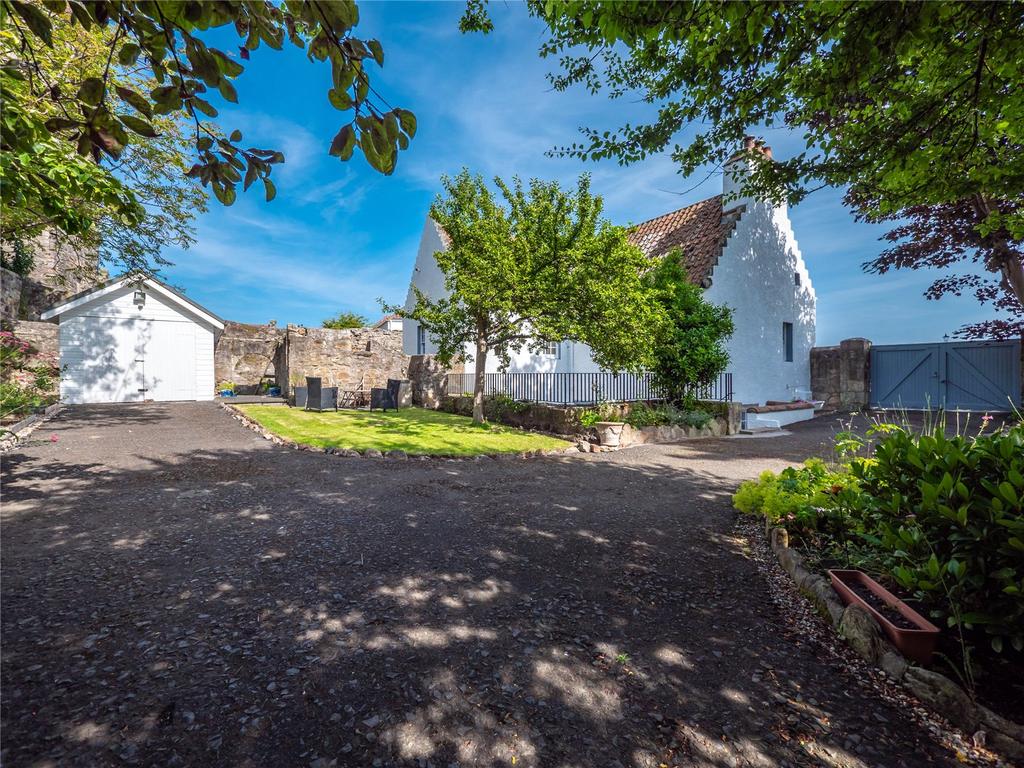
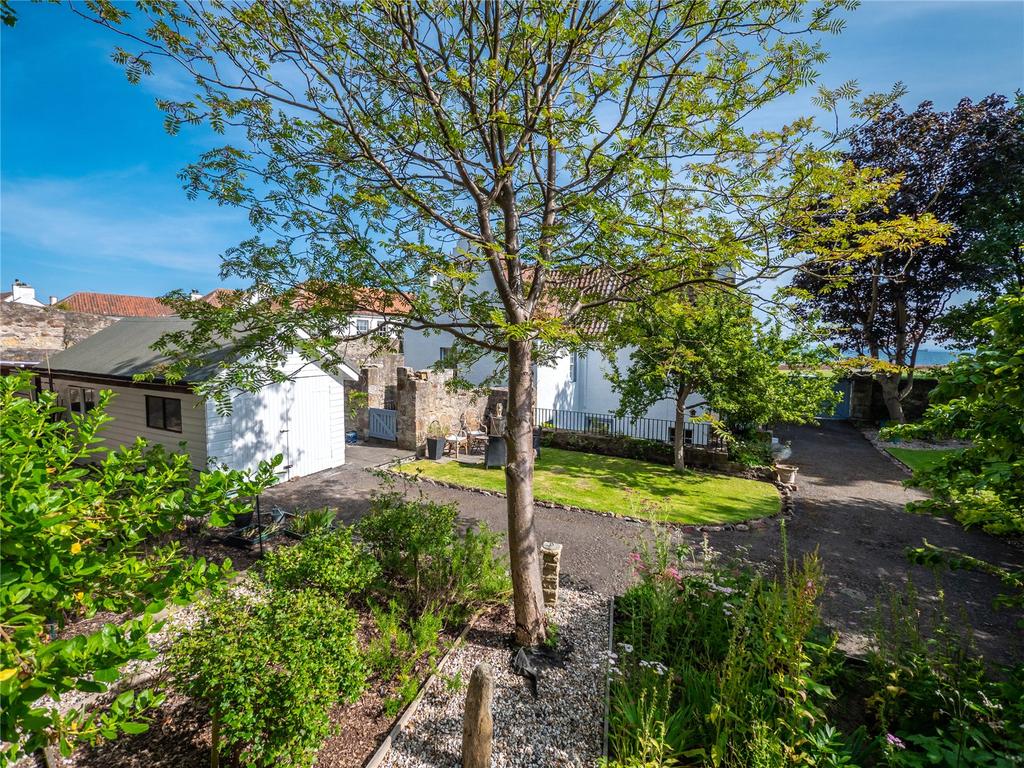
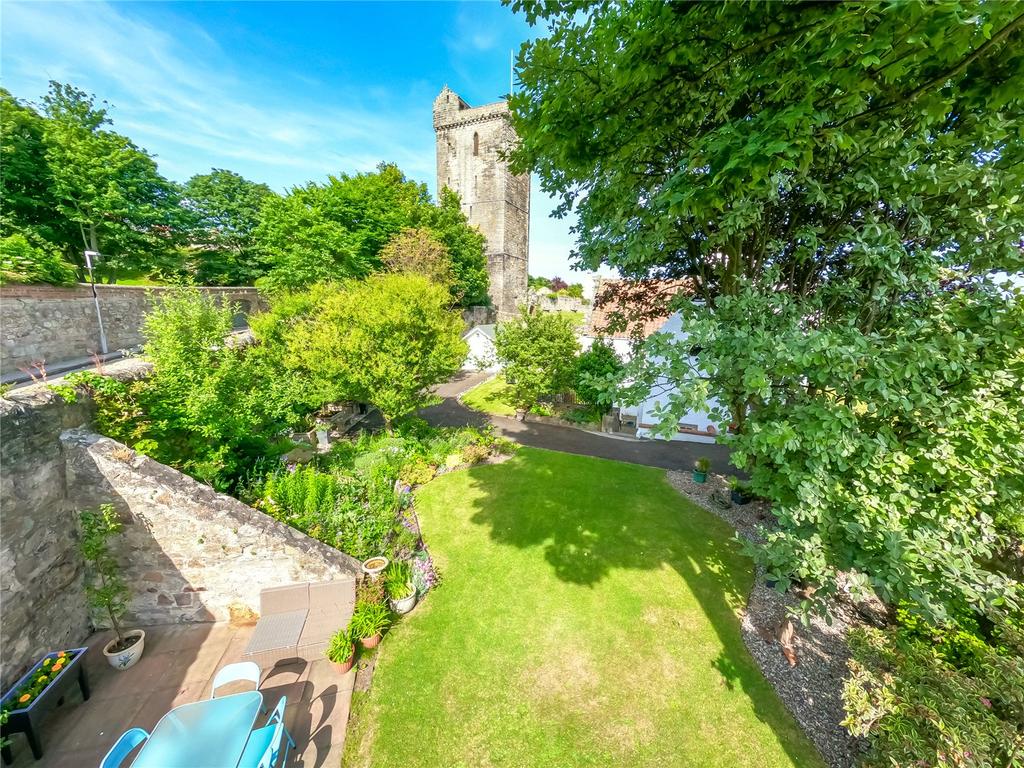
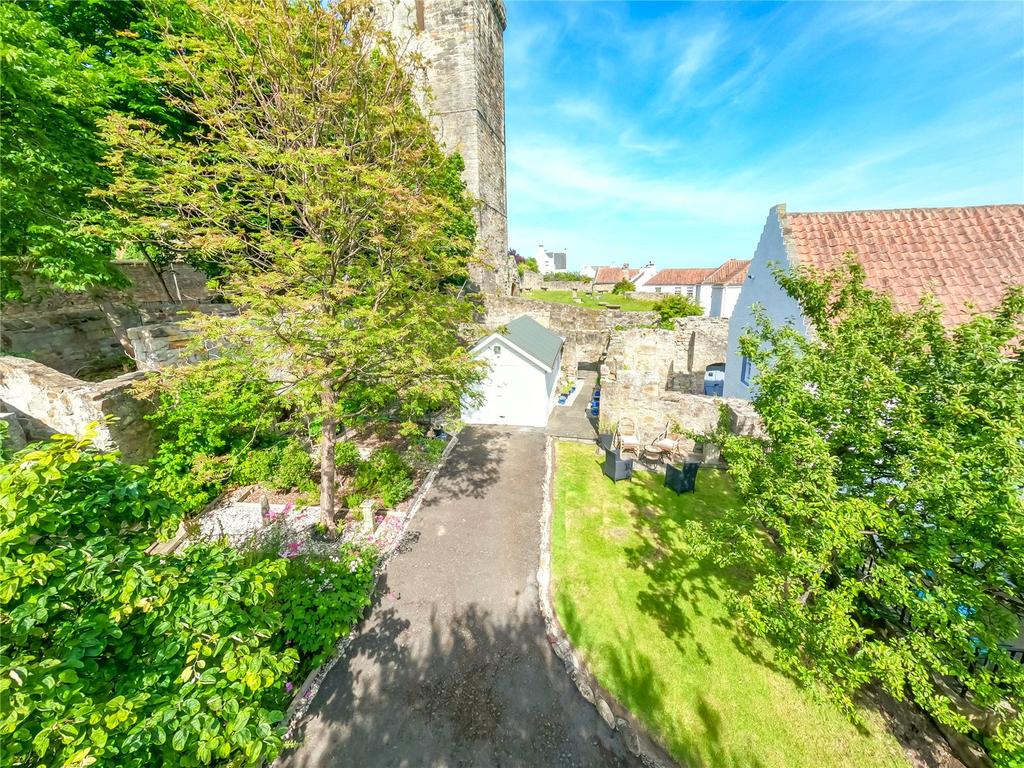
The Bay House has a completely walled inner garden with two lawns, seating and eating areas, ornamental and fruit trees, and fruit, vegetable, and flower beds. There is a large single wooden garage/workshop with light and power, which has a wood store at the rear. An original ornamented stone archway entrance leads to additional wooden storage sheds. There is a fully capped off 16th century mineshaft partially beneath the garage. This was the source of the coal for the fires to heat the salt pans. It is registered by the Residual Coal Authority.
The walls are A listed and have examples of now demolished dwellings and work buildings. Windows, fireplaces, and chimneys can be seen and there is a staircase to nowhere!
There is a drive up to the garage accessed by large wooden double gates to the front of the property.
The garden at the front of the property has two wide lawns, one with ornamental borders.
Extras: Included in the sale- integrated dishwasher, range cooker, extractor fan and fitted blinds. Excluded- dining hall light, top corridor lights and sitting room light.
EPC: D
Council Tax: G
Presented to the market in immaculate condition this is a rare opportunity to purchase an A Listed 16th Century Laird's house on the picturesque Fife coast with stuning sea views and child safe walled garden.
Location & History
The Bay House was built in 1583 by Lord Patrick Sinclair of Dysart and Ravens-Craig as a wedding gift for his bride. The Sinclairs were powerful aristocrats, close to the ruling Stuart dynasty, with estates and business interests across Scotland. In Dysart Lord Patrick oversaw the family’s mining, shipping, shipbuilding and salt panning interests. Salt was almost as valuable as gold in the 16th century. The sizeable harbour at Dysart provided the means of trade with Europe, particularly the Low Countries- Holland and Belgium today. The Bay House has distinctive Dutch influenced crow stepped gables and to this day geologists find evidence on the beach of European deposits that were from the ballast of the trading ships. The distinctive Fyfie boats were built at the Harbour.
The area around the house became known as Pan Ha’, reflecting the salt panning carried out on the foreshore on the Haugh - a Scots term for low lying land. The road to the harbour is Hot Pot Wynd, testament to the vats of steaming saltwater refining the salt.
The Sinclairs were anxious to show their connection to the Stuarts and installed ‘Skewput’ heads at the corners of the roof. It is assumed that these are of King James VI, Queen Anne of Denmark and Prince Henry their son. The fourth head is lost but may have been of Prince Charles, later Charles 1st.
The Bay House was built just below the 15th century St Serf’s church and beside the only freshwater well. This is now inside the house, but capped off.
The Bay House was the main laird’s house until the 18th century when the Sinclairs built a more fashionable Georgian Mansion above. This is now a Carmelite Monastery. The old house was used at first for the factor and family retainers. In the 19th century the Sinclair heir lost the family fortune and everything was sold to Sir George Nairn who had no interest in Pan Ha’ as salt was no longer in production.
The Bay House was known as The Bay Horse Inn for some years, run at one point by John Ruskin’s grandparents, but gradually became increasingly dilapidated, as did the other houses on Pan Ha.
John Buchan spent his holidays in Dysart as a child and it appears in his books, notably ‘The Free Fishers’. More recently the ‘Outlander’ series filmed at the harbour.
In the 1960’s the 12 houses of Pan Ha’ were selected as a project for the National Trust for Scotland’s ‘Little Houses’ scheme and were renovated by the renowned architect, W Schomberg Scott.
Her Majesty Queen Elizabeth the Queen Mother opened the completed project in 1969. They are now known as the white houses of Pan Ha’. The Bay House is A listed and Pan Ha’ is part of the Dysart conservation area. Dysart is on the Fife costal path.
The Bay House retains many original features which were saved by the restoration, although wooden painted ceilings were removed to storage. The house has 16th century wall presses, an interior window, the ‘Lang Drap’ (16th century toilet) and the original Great Hall fireplace in addition to the well. However, the interior is modernised, an easy combination of ancient and modern.
Description
Set between two sunken courtyards, the A listed house is entered down steps to the side and through the original outer gateway above which is a lintel inscribed ‘My hoip is in Thie Lord’. (My hope is in thee, Lord)
The first courtyard, which has steps up to the garden, leads to the front door and into the outer hall on the ground floor, where the 16th Century well is located, now capped off. It has an internal window into the house.
The inner dining hall in the centre of the house has dual aspect windows overlooking both courtyards. The ground floor rooms are accessed from here and a staircase leads to the upper floors. There is an under staircase cupboard.
Access to bedroom four, the kitchen, the utility room and the shower room is through an original doorway which is lower than modern ones.
Bedroom four has a half glazed door accessing the front courtyard and an original small external window. The electric meter etc is contained in a wall cupboard.
The utility room has space for appliances and storage. There is access to a small pump room, necessary as this floor is below external ground level.
The fully tiled shower room has a walk in shower, WC and vanity washbasin with mirror above.
The large dining kitchen has an original fireplace housing a wood burning stove. There are floor and wall units and a 4 oven range cooker and extractor fan. There are triple aspect windows and a half glazed door leading to the second courtyard. The kitchen has regularly seated 24.
The staircase leads to the upper corridor and 3 double bedrooms, the family bathroom and the sitting room. There is an original wall press.
Bedroom 3 has dual aspect windows overlooking the front courtyard and the garden at the rear of the house. It has two deep built in cupboards.
Bedroom 2 has dual aspect recessed windows, one of which has sea views. There is an original wall press with candle nook and another small wall press in the front wall and a modern built in wardrobe.
Bedroom 1 has a recessed window with sea views. Formerly part of the Great Hall, this room has the original fireplace, now blocked off but forming a useful wide recess. There is an original wardrobe press.
The family bathroom has a recessed window with sea views. There is a roll top bath with clawed feet, a double vanity sink, WC and a separate fully tiled walk in shower and enclosure. Half height tongue and grooved panelling to the walls.
The sitting room has an original fireplace housing a wood burning stove and triple aspect windows, one with sea views, one overlooking the side garden and one the rear garden. This room houses two original wall presses and the ‘Lang Drap’ in a curved recess with candle nook and original (now glazed) small window for ventilation!
Double doors from the corridor reveal a second stairway to the attic floor.
The attic stretches across the entire house and is full height, allowing it to be used for multiple purposes as well as storage. Two original deeply recessed windows allow natural light in and the space is fully lit by ceiling spotlights. The central heating boiler and hot water tank are installed here.
The second courtyard outside the kitchen has steps up to the garden.
The Bay House has a completely walled inner garden with two lawns, seating and eating areas, ornamental and fruit trees, and fruit, vegetable, and flower beds. There is a large single wooden garage/workshop with light and power, which has a wood store at the rear. An original ornamented stone archway entrance leads to additional wooden storage sheds. There is a fully capped off 16th century mineshaft partially beneath the garage. This was the source of the coal for the fires to heat the salt pans. It is registered by the Residual Coal Authority.
The walls are A listed and have examples of now demolished dwellings and work buildings. Windows, fireplaces, and chimneys can be seen and there is a staircase to nowhere!
There is a drive up to the garage accessed by large wooden double gates to the front of the property.
The garden at the front of the property has two wide lawns, one with ornamental borders.
Extras: Included in the sale- integrated dishwasher, range cooker, extractor fan and fitted blinds. Excluded- dining hall light, top corridor lights and sitting room light.
EPC: D
Council Tax: G
Property information from this agent
About this agent